Olivia Rodrigo Turns Daisy Chain Fields Into a $20 Million Movement
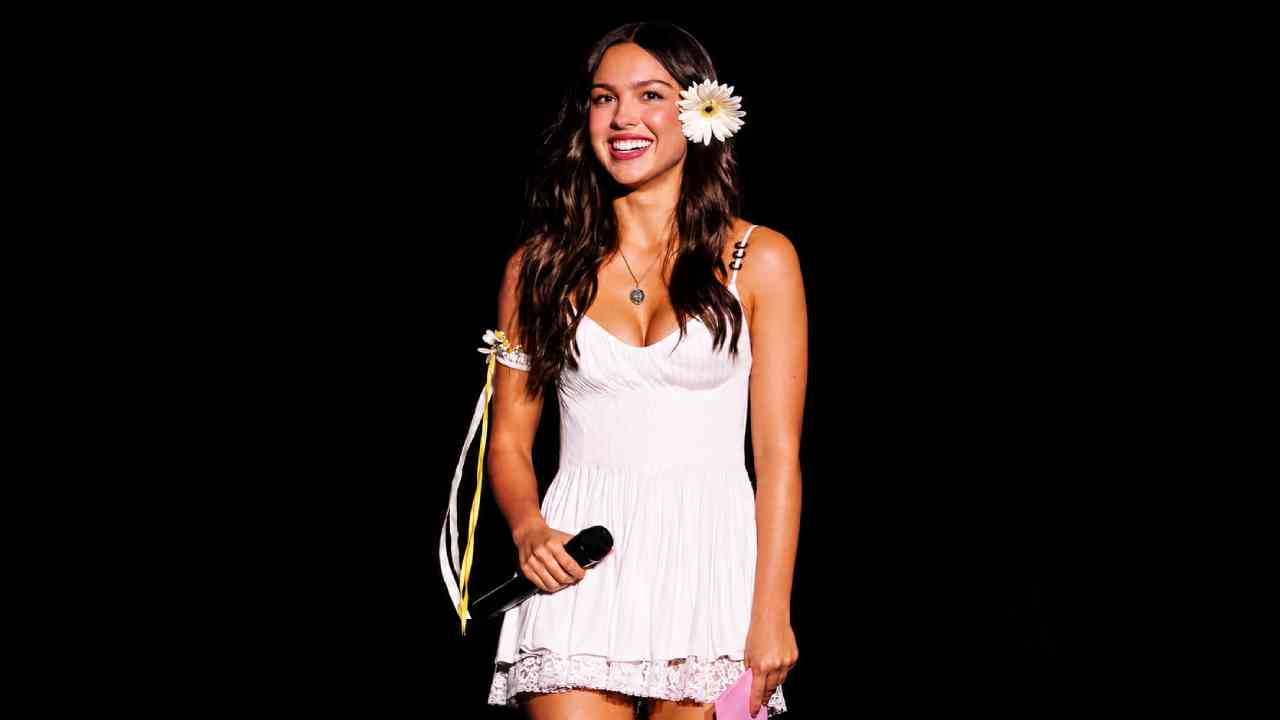
Petite Paulina – Olivia Rodrigo brought music, community, and philanthropy together at the inaugural Daisy Chain Fields festival in Irvine, California. Rather than building an event around entertainment alone, the singer created a platform with a wider purpose. The festival ultimately generated $10 million for organizations supporting women and girls. Then, Melinda French Gates announced a matching contribution, bringing the overall impact to $20 million. That figure immediately gave Daisy Chain Fields an identity beyond its star-filled lineup. Moreover, the festival connected younger audiences with artists from different generations. The result felt less like another stop on the summer festival calendar and more like a gathering built around shared values. For Rodrigo, who has grown from a breakout pop star into a major cultural figure, the event also showed how celebrity influence can extend beyond streaming numbers, awards, and sold-out shows.
Read Also: J.Crew Basics Get an Avant-Garde Twist Through Unexpected Styling
Daisy Chain Fields Connects Music With a Clear Mission
Daisy Chain Fields stood apart because its charitable mission was built into the event itself. Net proceeds were directed toward 10 nonprofit organizations focused on women and girls. Therefore, buying a ticket was connected to something larger than simply watching a concert. This approach gave the festival a clear identity from the beginning. Large music events often rely on spectacle, exclusive appearances, and massive lineups to attract attention. Daisy Chain Fields certainly had those elements. However, its purpose added another layer to the experience. In my view, that distinction matters because audiences increasingly notice what an event represents beyond its stage. Music can bring thousands of people into the same physical space. When organizers connect that attention with meaningful causes, a festival can become a platform for participation as well as entertainment.
A $20 Million Impact Changes the Scale of the Festival
The financial impact became one of the biggest stories surrounding the event. Daisy Chain Fields raised $10 million, while Melinda French Gates matched that amount. Together, the contributions brought the total to $20 million. For a first-time festival, that number immediately set a significant benchmark. Still, the importance of fundraising should not be reduced to an impressive headline. The real value depends on how those resources support the organizations involved and the communities they serve. Nevertheless, the scale demonstrates what can happen when entertainment, philanthropy, and a highly engaged audience come together. Rodrigo’s fan base includes many young listeners, which also gives the project another dimension. It introduces charitable causes through an environment that already feels familiar and relevant to them. As a result, the festival created an opportunity for entertainment and social awareness to exist side by side.
Stevie Nicks Brings a Legendary Presence to the Stage
One of the festival’s most memorable moments came when Stevie Nicks joined Olivia Rodrigo during the encore. The pairing represented more than a surprise celebrity appearance. Nicks belongs to a different era of popular music, yet her influence continues to reach younger listeners. Seeing the two artists share a stage created a natural bridge between generations. That connection fits particularly well with Daisy Chain Fields because the festival celebrated women across music history rather than focusing on one moment in pop culture. Rodrigo has often shown an appreciation for artists who came before her. Therefore, the collaboration felt consistent with the broader spirit of the event. Instead of treating musical history as something distant, the performance brought it directly into a contemporary festival. Moments like this can help younger audiences discover older catalogs while giving longtime listeners a new reason to engage with today’s artists.
Sarah McLachlan Strengthens the Festival’s Generational Connection
Sarah McLachlan also appeared alongside Rodrigo, adding another meaningful connection to the festival’s wider theme. McLachlan founded Lilith Fair, the influential festival that placed women musicians at the center of its lineup during the 1990s. Daisy Chain Fields carries its own identity, but the connection between generations is difficult to miss. Rather than simply recreating an older festival model, Rodrigo’s event translated some of that collaborative energy for a modern audience. This is where Daisy Chain Fields becomes especially interesting. Pop culture often moves quickly, and new artists can easily become disconnected from earlier movements. However, bringing different generations onto the same stage creates continuity. It reminds audiences that today’s opportunities often exist alongside decades of work by artists who challenged older industry expectations. That historical thread gave the festival more depth than a typical collection of high-profile performances.
Alanis Morissette Adds Another Surprise to the Celebration
Alanis Morissette provided another cross-generational moment when she appeared as a surprise guest. She joined Rodrigo for a performance of “Ironic,” connecting one of the defining alternative-pop voices of the 1990s with a leading star of the current generation. The collaboration worked because both artists have built music around emotionally direct songwriting, even though their careers belong to different periods. Furthermore, surprise appearances can transform a festival from a predictable schedule into a shared experience that feels unique to the people in attendance. Daisy Chain Fields used those moments effectively. Instead of relying only on Rodrigo’s own catalog, the event allowed her to share the spotlight with artists whose careers helped shape popular music. Consequently, the festival became a conversation between musical eras rather than a conventional headline performance surrounded by supporting acts.
The Lineup Brings Together Different Corners of Modern Music
The broader lineup strengthened that sense of variety. Chappell Roan, Doechii, Mitski, Bikini Kill, The Breeders, Garbage, and other performers represented different sounds, generations, and musical communities. That diversity prevented Daisy Chain Fields from feeling limited to one corner of contemporary pop. Instead, the event moved between pop, alternative music, hip-hop, indie, and rock influences. This range also reflected how younger audiences consume music today. Streaming platforms have made genre boundaries increasingly flexible, and listeners can move from one style to another within the same playlist. Therefore, a festival built around several musical identities can feel natural rather than disconnected. More importantly, the lineup supported the event’s larger theme by giving space to women with very different artistic voices. The result was not uniformity. It was a celebration of creative variety.
Celebrity Guests Add Another Layer of Attention
The audience also included recognizable faces from entertainment and music. Drew Barrymore appeared around the festival’s nonprofit activities, while Rachel Zegler and Victoria Justice shared glimpses of their festival experiences. Linkin Park’s Mike Shinoda was also spotted watching Doechii perform. These appearances added celebrity interest, but they were not necessarily the event’s most important element. In fact, Daisy Chain Fields benefited from allowing the mission and performances to remain at the center. Celebrity attendance naturally increases social media visibility. However, an event becomes more memorable when people have something substantial to discuss after the outfits and backstage moments disappear from their feeds. Here, the combination of music, fundraising, and intergenerational performances created that substance. The famous guests simply expanded the festival’s cultural reach.
Read Also: Fall/Winter 2026 Boot Trends Blend Practicality with Modern Style
Daisy Chain Fields Creates Space for Music History
The festival also explored women’s history in music and art through installations and educational elements. References to movements such as Riot Grrrl gave younger visitors an opportunity to encounter cultural history within a contemporary setting. This approach is valuable because musical influence is not always obvious to new listeners. A teenager may discover an artist through a current collaboration without knowing the larger movement that shaped that artist’s career. Festivals can make those connections more accessible. Instead of presenting history like a classroom lesson, Daisy Chain Fields placed it alongside live performances and communal experiences. Moreover, reports of mothers and daughters attending together reinforced the intergenerational character of the event. Music became the common language, while the festival offered different generations their own points of recognition.
Olivia Rodrigo Shows How Pop Influence Can Evolve
Rodrigo’s career has developed quickly, but Daisy Chain Fields represents a different kind of milestone. Chart success demonstrates popularity. A festival with a strong mission demonstrates the ability to organize attention around something larger. Of course, one successful event does not automatically establish a lasting institution. The challenge will be maintaining its purpose if Daisy Chain Fields continues in future years. However, its first edition created a strong foundation. Rodrigo used her visibility to bring established icons, current stars, nonprofit organizations, and thousands of fans into one shared environment. That combination is difficult to create through a conventional concert. It requires a clear identity. Therefore, Daisy Chain Fields may become an important part of how Rodrigo’s public role evolves beyond her own recordings and tours.
Daisy Chain Fields Becomes More Than a Festival Moment
Ultimately, Olivia Rodrigo helped make Daisy Chain Fields memorable because the festival had several reasons to exist at once. Fans came for music, yet they encountered a larger charitable mission. Younger artists shared space with established icons. Celebrity guests generated attention, while nonprofit organizations connected that attention with real causes. Most notably, the original $10 million fundraising total grew to $20 million after the matching commitment from Melinda French Gates. That outcome gave the festival measurable impact beyond its performances. The strongest cultural events often work this way. They entertain first, but they also leave audiences with a story worth carrying beyond the venue. Daisy Chain Fields achieved that balance during its inaugural edition. If its mission continues, the festival could develop into something larger than a single star-driven event.