Naked Shoes Take Over Fashion Week as Barely-There Footwear Goes Viral
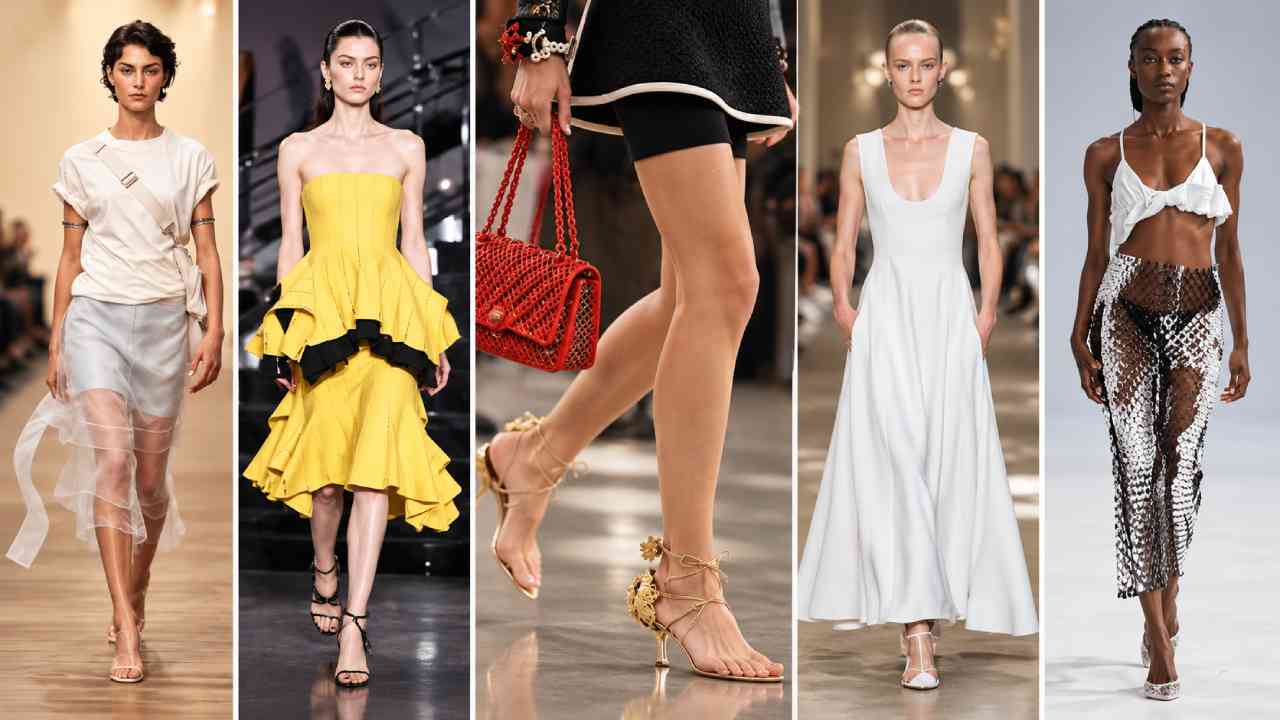
Petite Paulina – Naked Shoes are stepping into the spotlight as one of Fashion Week’s most daring footwear ideas. Across the Spring/Summer 2027 runways, designers are stripping shoes down to their essential structure. Thin straps, transparent materials, exposed toes, and barely visible soles are creating an almost barefoot effect. The movement appeared prominently during New York Fashion Week, where several labels explored footwear that reveals more than it covers. Rather than relying on oversized platforms or dramatic decoration, designers are making absence part of the design. As a result, the foot itself becomes an important visual element. The concept may look radical, yet it connects naturally with fashion’s continuing interest in minimalism. More importantly, these experimental shoes are generating conversation beyond the runway, making them difficult to ignore as the new season takes shape.
Read Also: Biafine Emulsion Is the French Pharmacy Secret for Calmer Skin
Naked Shoes Bring Extreme Minimalism to Fashion Week
Minimalism has always moved between simplicity and experimentation. However, Naked Shoes take that philosophy further by removing material rather than simply reducing decoration. The result can look surprisingly dramatic. A shoe may consist of a narrow base, a few carefully positioned straps, or transparent elements that almost disappear against the skin. This approach changes the relationship between footwear and the body. Traditionally, shoes frame the foot and complete an outfit. These new designs do something different. They allow the foot to become part of the styling itself. At New York Fashion Week, this idea appeared across several collections rather than in one isolated show. Therefore, the trend feels less like a temporary runway experiment and more like a broader design conversation. It also reflects an important fashion principle: sometimes removing an element creates more visual impact than adding another one.
Calvin Klein Strips Footwear Back to the Essentials
At Calvin Klein’s Spring/Summer 2027 presentation, creative director Veronica Leoni continued exploring the house’s minimalist identity. Her footwear reflected the same restrained approach seen throughout the collection. One design featured a woven-looking base around the toe and heel. Thin laces then wrapped around the ankle, leaving much of the foot exposed. From a distance, the construction appeared almost incomplete. Yet that unfinished appearance was precisely what made it distinctive. Leoni also presented less extreme versions that resembled classic pumps. However, those silhouettes were reduced as far as their construction would reasonably allow. The result offered an interesting balance between familiar footwear and experimental minimalism. Instead of making shoes visually louder, the collection asked how little material was actually necessary. That question sits at the heart of the growing Naked Shoes movement.
Proenza Schouler Turns Barely-There Heels Into Eveningwear
Proenza Schouler offered another interpretation of the barely-there aesthetic. Under Rachel Scott, the label presented stilettos that appeared to remain on the foot through only a few strategic straps. One sat near the toes, while another secured the heel. Despite their minimal construction, the shoes retained the height and elegance associated with traditional evening heels. This contrast gave the designs their appeal. They looked delicate but still carried the visual confidence of a stiletto. The approach also complemented Scott’s wider exploration of the boundaries between formal and casual clothing. In this setting, revealing more of the foot softened the formality usually associated with high heels. At the same time, the exposed design visually extended the leg. Therefore, the shoe became both an accessory and part of the silhouette. It showed how minimal construction can still produce a strong fashion statement.
Area Makes the Shoe Almost Disappear
Area pushed the idea even further. Designer Nicholas Aburn presented footwear that looked closer to a delicate lace sock than a conventional shoe. The design featured nude lace, a nearly invisible sole, and a small heel beneath the foot. A clear strap provided additional support while remaining difficult to notice. Consequently, the shoe almost disappeared into the overall look. This is where Naked Shoes become especially interesting from a design perspective. Instead of asking viewers to admire elaborate craftsmanship from a distance, they encourage people to look more closely. At first glance, a model can appear to be walking without conventional footwear. Only after closer inspection do the technical details become visible. That sense of discovery gives the trend an unusual character. It also demonstrates how transparency and illusion can transform something as familiar as a shoe into a runway talking point.
The Naked Shoe Trend Is Growing Beyond New York
The movement is not limited to New York. Similar ideas have appeared across major fashion houses in recent seasons. Chanel, for example, generated discussion with unusual half-sandals in its Resort 2027 collection. The design covered the heel while leaving much of the front of the foot exposed. Meanwhile, Saint Laurent explored transparency through clear pointed-toe Oxfords for its Spring 2027 menswear collection. These examples show that designers are approaching the trend from different directions. Some reduce the physical structure of the shoe. Others use transparent materials to create the illusion that parts of it have disappeared. Yet the objective remains similar. The footwear should reveal more of the foot while challenging familiar expectations about how shoes should look. As more luxury labels explore the idea, Naked Shoes are developing into a recognizable runway movement rather than a single designer experiment.
Flip-Flops May Have Prepared Fashion for Barely-There Footwear
The rise of minimalist footwear did not happen overnight. Flip-flops have become increasingly common beyond beaches and holiday wardrobes. Designers have also reworked the familiar shape with refined materials and elevated finishes. That shift may have helped normalize footwear that leaves most of the foot exposed. Naked Shoes take the same principle and push it into more experimental territory. Instead of a simple rubber sole and thong strap, runway versions use lace, transparent plastic, sculptural heels, and delicate fastenings. However, the visual philosophy remains surprisingly similar. Both styles use very little material and allow the natural shape of the foot to dominate. Fashion often develops this way. A familiar everyday object gradually moves into luxury spaces before designers reinterpret it. In this case, the humble flip-flop may have helped prepare audiences for footwear that looks even more minimal.
Naked Shoes Turn the Foot Into Part of the Outfit
One reason this trend feels fresh is that it changes where people look. With traditional statement shoes, attention usually goes toward the object itself. Bright colors, unusual heels, metallic surfaces, and decorative details make footwear stand apart from the body. Naked Shoes reverse that relationship. Because the construction becomes less visible, the foot takes on greater importance. Skin, pedicures, ankle jewelry, and the shape of the leg can become part of the styling. This creates an effect similar to sheer clothing, where the boundary between garment and body becomes intentionally unclear. From a styling perspective, that opens interesting possibilities. A barely-there shoe can work with flowing dresses, tailored pieces, or minimal separates without visually competing with them. However, the design still attracts attention because its absence feels unexpected. In other words, these shoes make a statement by appearing to disappear.
Runway Drama Still Faces a Practicality Test
Of course, an eye-catching runway concept does not automatically become an everyday essential. The biggest question surrounding Naked Shoes is practicality. Shoes normally provide protection, stability, and support. Removing too much structure can potentially make those functions harder to deliver. Extremely thin straps may also feel very different after several hours of walking than they do during a short runway appearance. Therefore, commercial versions will probably need to balance visual minimalism with real-world comfort. Fashion designers already appear to be exploring that middle ground. Some Spring 2027 interpretations use recognizable pumps or thong sandals while subtly removing sections of material. These versions preserve the barely-there effect without abandoning conventional construction completely. That approach could become important if the trend moves from Fashion Week into everyday wardrobes. The most wearable designs may not be the most extreme ones.
Read Also: Inner Eye Highlighter Is the Easiest Trick for Brighter Eyes
Social Media Gives Unusual Footwear a Bigger Stage
Fashion Week trends now travel far beyond the people sitting beside the runway. Within hours, unusual looks can circulate through social platforms and reach audiences worldwide. Barely-there footwear is particularly suited to that environment because the design creates an immediate visual question: is the model actually wearing shoes? That moment of confusion encourages people to look again. It also creates the type of visual conversation that performs naturally online. Some viewers may admire the experimental approach, while others may question its practicality. Both reactions can increase attention. This helps explain why unconventional footwear can become highly visible even before it reaches stores. For designers, the shoe no longer needs to appeal to everyone to have an impact. Sometimes a distinctive silhouette only needs to create enough curiosity to keep people discussing the collection.
Naked Shoes Could Shape Spring 2027 Styling
Whether consumers embrace the most extreme versions remains uncertain. However, the wider aesthetic already offers clues about Spring 2027 footwear. Expect thinner straps, more transparent materials, exposed sections, delicate soles, and silhouettes that visually blend into the foot. Designers may also adapt the concept into more practical sandals, pumps, and low heels. That evolution would follow a familiar fashion pattern. Runway collections often introduce an exaggerated idea first. Retail versions then translate it into something easier to wear. Naked Shoes have enough flexibility for that transition because the trend is based on a design principle rather than one specific silhouette. Ultimately, its influence may appear in subtle details rather than completely transparent shoes. After years of chunky footwear and oversized proportions, the movement toward lighter construction also offers a noticeable visual reset. For Spring 2027, less footwear may genuinely create more impact.