Dior Revives 13 Iconic Fragrances in the Diororiginals Collection
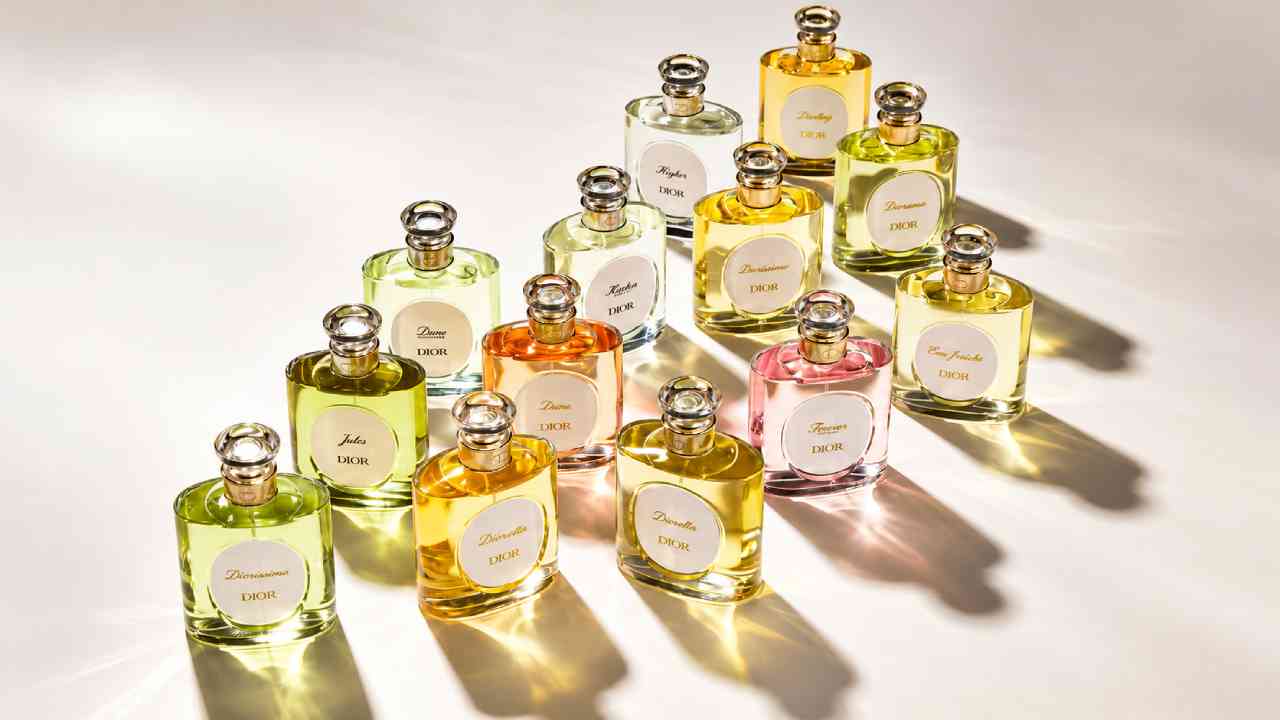
Petite Paulina – Dior is reopening an important chapter of its fragrance history with Diororiginals, a collection that brings 13 heritage scents back into focus. Rather than simply modernizing old perfumes, the project aims to preserve the character that made each fragrance distinctive. Francis Kurkdjian, Perfume Creation Director at Dior, has led the restoration with an approach centered on historical identity. The process required years of work because perfume formulas cannot always be recreated exactly as they once were. Ingredients change, regulations evolve, and some materials face new restrictions. Therefore, restoring a vintage scent requires more than finding an old formula. The perfumer must understand how that formula smelled and then rebuild its character within modern requirements. With Diororiginals, the house is treating fragrance history as something worth experiencing again, not merely displaying in an archive.
Diororiginals Brings 13 Heritage Fragrances Together
The Diororiginals collection spans several decades of the house’s perfume history. Its 13 fragrances include Diorling, Diorissimo, Jules, Higher, Higher Energy, Diorama, Dune, Diorella, Eau Fraiche, Dune Pour Homme, Dioressence, Forever and Ever, and Dolce Vita. Together, they create a broad view of how Dior fragrance evolved across different periods. Some names will feel familiar to longtime perfume enthusiasts. Others may offer younger consumers their first encounter with an important part of the house’s catalog. However, the collection is more interesting than a simple greatest-hits package. Each perfume represents a different style, mood, and era. As a result, Diororiginals functions almost like a wearable fragrance archive. Instead of learning about historic perfumes through photographs or old advertisements, fragrance lovers can experience their personalities through scent. That sensory connection gives the project a depth that a conventional retrospective cannot easily reproduce.
Francis Kurkdjian Approached the Project as Restoration
Francis Kurkdjian did not approach Diororiginals as an opportunity to give old fragrances fashionable makeovers. Instead, the goal was closer to restoration. That distinction matters because modernizing a fragrance can change the very qualities that made it memorable. A perfume created decades ago may use structures, ingredients, or proportions that feel different from current trends. However, those differences are also part of its identity. Therefore, Kurkdjian and his team worked toward preserving the original olfactory impression where possible. In practical terms, this meant studying older formulas and understanding how individual ingredients contributed to the final scent. The team could then use that knowledge as a reference while adapting formulas to today’s requirements. In my view, this approach makes Diororiginals more compelling. It respects fragrance as creative history rather than treating every older perfume as something that needs to be redesigned for contemporary taste.
Read Also: ’70s Style Makes a Comeback as Glashütte Original Unveils Retro Watches
Restoring Vintage Perfume Is More Complex Than It Sounds
A historic perfume cannot always return by simply following its original recipe. The fragrance industry has changed considerably over time. Regulations surrounding allergens and specific ingredients have evolved. Meanwhile, some raw materials may become difficult to obtain or require different handling. Consequently, a restoration project must solve both creative and technical problems. The new formula still needs to capture the recognizable identity of the older fragrance. At the same time, it must comply with current requirements. This creates a delicate balance. Change too much, and the fragrance can lose its original personality. Change too little, and the formula may no longer be practical or compliant. Diororiginals reportedly took around four years of work, which reflects the complexity of that process. Rather than rushing the fragrances back to market, Dior treated the project as a long-term reconstruction of an important part of its perfume heritage.
Original Formulas Became an Important Reference Point
One of the most interesting parts of the restoration process involved using historical formulas as benchmarks. The team could reconstruct older versions internally and study how they smelled. Those versions were not necessarily suitable for commercial release under current rules. However, they provided an olfactory reference. This gave the perfumers something more useful than written descriptions alone. After all, perfume is difficult to understand entirely through words. Terms such as floral, woody, powdery, fresh, or spicy can describe a direction, but they cannot capture every balance within a formula. By smelling reconstructions, the team could compare modern adaptations against the character they wanted to preserve. Therefore, the process became less about copying ingredients and more about reproducing an experience. That distinction is essential. If certain materials must change, the final goal remains the same: allowing the wearer to recognize the spirit and structure that defined the original fragrance.
Eau Fraiche and Diorling Required Significant Attention
Not every fragrance presented the same level of difficulty. Some formulas required relatively modest adjustments, while others demanded more extensive work. Eau Fraiche, originally introduced in 1955, and Diorling, associated with 1963, were among the scents that needed significant restoration. Their age alone helps explain part of the challenge. Perfume materials and industry standards have changed greatly since the middle of the 20th century. Therefore, preserving the identity of such fragrances requires careful interpretation. A modern recreation must avoid becoming merely an imitation of vintage perfumery. Instead, it should communicate the structure and personality that made the fragrance distinctive in the first place. This is where an experienced perfumer becomes essential. Technical substitutions must still produce an emotionally convincing result. For collectors, that attention can make the difference between a nostalgic reissue and a serious restoration of fragrance heritage.
Dolce Vita Returns with Its Warm Personality
Dolce Vita holds a special place within the revived lineup. Originally introduced in 1995, the fragrance is associated with a warm woody and vanilla character, alongside fruity and floral touches such as peach and rose. Its return offers an interesting reminder of how perfume tastes have shifted across decades. The 1990s produced many fragrances with confident personalities and recognizable signatures. Today, those compositions can feel nostalgic while also appearing surprisingly distinctive beside newer releases. That contrast gives a restored fragrance new relevance. Younger perfume enthusiasts can encounter it without relying solely on vintage bottles, which may have changed with age or storage. Meanwhile, longtime fans have an opportunity to reconnect with a familiar scent profile. For Dior, reviving Dolce Vita is therefore about more than nostalgia. It brings one era of the house’s perfume language back into conversation with contemporary fragrance culture.
Forever and Ever Brings a Softer Side to the Collection
Forever and Ever represents a more recent chapter than several other Diororiginals fragrances. Dating to 2002, it brings rose and musk into the broader story of the collection. Its presence also demonstrates that fragrance heritage does not have to mean only very old perfumes. A scent released in the early 2000s can already carry powerful memories for people who discovered it during that period. Moreover, fragrance has an unusual relationship with memory. A familiar aroma can bring back places, people, and emotions with remarkable speed. This makes perfume revival different from relaunching many other luxury products. Consumers are not simply seeing an old design return. They may be reconnecting with a sensory experience linked to a specific part of their lives. At the same time, new customers can approach Forever and Ever without nostalgia and judge it purely as a fragrance. That meeting between memory and discovery is one of Diororiginals’ strongest ideas.
Vintage-Inspired Bottles Complete the Experience
Formula restoration is only one part of reviving a historic fragrance collection. Presentation also shapes how consumers understand the product. Diororiginals uses glass bottles with vintage-inspired details that connect the fragrances with the house’s past. This visual language helps distinguish the project from a standard collection of contemporary releases. However, the packaging does not need to become theatrical to communicate heritage. A restrained design can often feel more convincing because it lets proportions, typography, glass, and subtle details carry the historical reference. For collectors, packaging also adds another dimension to the experience. Perfume bottles often remain on display long after purchase, becoming decorative objects as well as containers. Therefore, aligning the bottles with the restoration concept makes sense. The fragrance tells one part of the story, while the physical design supports it. Together, they create a clearer bridge between the modern Diororiginals collection and the different eras represented inside it.
Dior Faces the Challenge of Modern Fragrance Regulations
Modern perfume restoration inevitably involves regulation. Some materials that appeared in older formulas can no longer be used in the same way. Allergen requirements and international standards have also developed significantly. As a result, recreating an old fragrance requires creative substitutions and careful reformulation. The challenge is to make those changes without allowing the perfume’s identity to disappear. According to details surrounding Diororiginals, the collection also faces a January 2027 deadline connected with international regulatory requirements. This adds another layer of complexity to the project. The team is not working only toward an artistic target. It must also ensure that the fragrances fit within a changing global framework. For consumers, these technical details may remain invisible when they spray the perfume. Yet they explain why a faithful fragrance restoration can require years rather than months. What smells effortless on skin can be the result of extensive research behind the scenes.
Fragrance Heritage Is Becoming Relevant to New Generations
The timing of Diororiginals also feels interesting because younger fragrance audiences have become increasingly curious about perfume history. Social platforms and online fragrance communities make it easier to discover discontinued scents, vintage formulas, and older advertising campaigns. As a result, perfume enthusiasts no longer focus only on the newest launches. Many also want to understand how iconic houses developed their identities. Diororiginals fits naturally into that curiosity. A fragrance such as Diorissimo or Diorama can now become more than a name encountered in an archive. It can become a sensory reference for understanding how perfume aesthetics changed over time. Moreover, heritage gives luxury brands something difficult to manufacture quickly: continuity. New products can generate excitement, but historic creations demonstrate decades of creative development. By returning to its archives, Dior can speak to nostalgia while also giving younger consumers something they may never have experienced before.
Diororiginals Treats Perfume History as Something Alive
The most compelling idea behind Diororiginals is that heritage does not need to remain frozen in the past. Dior is bringing 13 fragrances forward while trying to preserve the personalities that originally defined them. That process requires compromise because ingredients, regulations, and production realities have changed. Yet the goal remains unusually clear. Instead of rewriting perfume history to match current trends, the collection attempts to let older fragrance identities speak again. For perfume lovers, that creates an opportunity to compare eras through scent rather than description. A fragrance from the 1950s can sit beside one from the 1990s or early 2000s, revealing how tastes and creative ideas evolved. Ultimately, Diororiginals feels less like a conventional relaunch and more like an exploration of the house’s memory. It turns the fragrance archive into something people can smell, wear, discuss, and experience again.