Wicker Reinvents a Strange Fairy Tale With Modern Romance
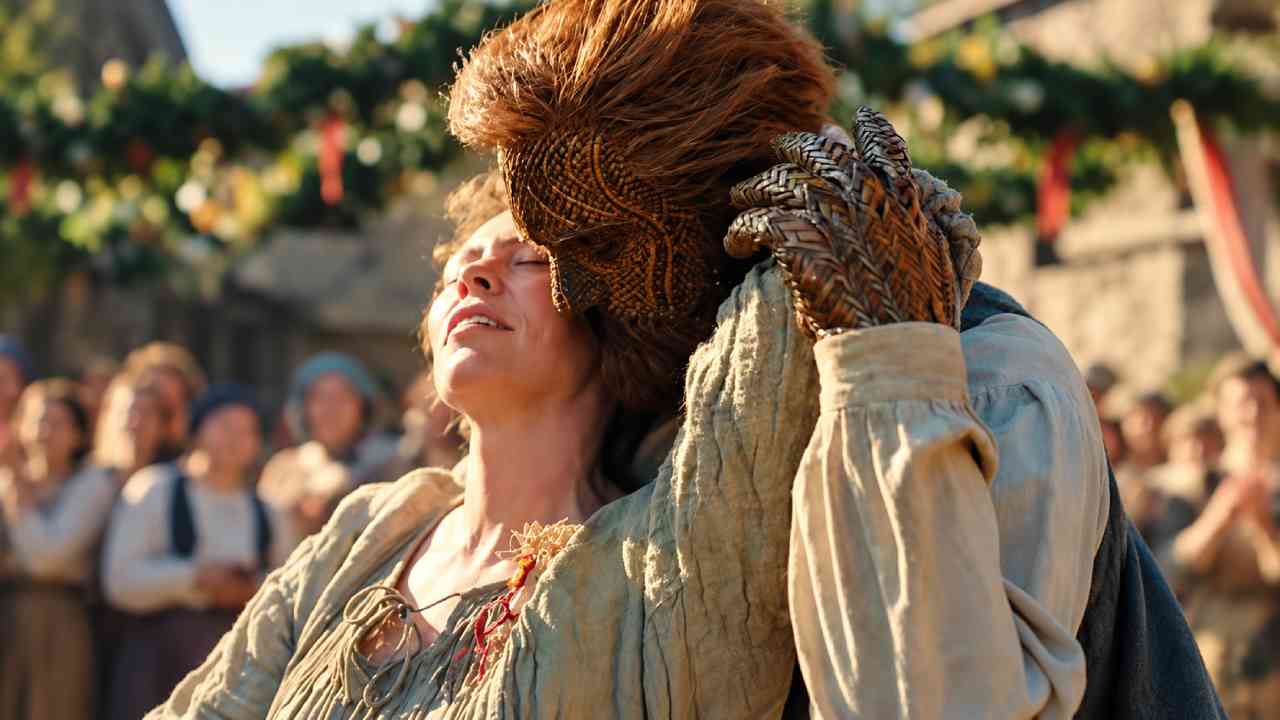
Petite Paulina – Wicker takes a strange romantic idea and turns it into something surprisingly human. At the center is a fisherwoman who has spent years living under the judgment of her village. Instead of accepting the life others expect her to have, she makes an unusual choice. She asks a mysterious basket maker to create a husband for her. What follows is not simply an eccentric fantasy. The story explores loneliness, affection, jealousy, beauty, and the desire to be understood. Olivia Colman brings emotional depth to the fisherwoman, while Alexander Skarsgård plays her extraordinary wicker companion. Peter Dinklage adds another layer as the craftsman behind the impossible creation. As a result, Wicker Reinvents the familiar fairy-tale idea of finding true love. It replaces the traditional prince with something far stranger, while keeping the emotional questions surprisingly recognizable.
Wicker Reinvents the Traditional Fairy-Tale Romance
Classic fairy tales often promise transformation before romance can begin. An overlooked character becomes beautiful, powerful, or wealthy before receiving love. Wicker approaches that formula from another direction. Its fisherwoman does not need to become someone else first. Instead, the extraordinary element appears through the partner created for her. This reversal gives the romance a more modern edge. The Wicker Husband may look impossible, yet his affection challenges the village’s narrow ideas about relationships. Therefore, the fantasy becomes a way to question familiar social expectations. The film asks whether love should be judged by appearance, tradition, or public approval. More importantly, it suggests that emotional understanding may matter more than fitting an accepted image of romance. That idea gives the strange premise a surprisingly relatable foundation.
Read Also: Victoria Beckham Makes Honey Ombré Hair Feel Modern Again
Olivia Colman Gives the Fisherwoman Emotional Weight
Olivia Colman is well suited to a character who needs both vulnerability and strength. Her fisherwoman has lived with rejection, but she is not presented only as a victim. She has desires, frustrations, humor, and an independent streak. That balance matters because the story could easily become too whimsical. Instead, the character gives its fantasy an emotional center. Colman’s presence also helps make the fisherwoman’s unusual relationship feel more grounded. She does not simply receive a magical solution to loneliness. She begins experiencing a type of attention that changes how she views herself and the community around her. Meanwhile, other villagers must confront their own assumptions. The result is a romance that works on two levels. It can be enjoyed as an unusual fantasy, yet it also reflects a familiar need to feel valued without constantly changing for other people.
Alexander Skarsgård Makes an Impossible Partner Feel Curious
Alexander Skarsgård faces an unusual challenge as the Wicker Husband. The character is physically unlike an ordinary romantic lead. He is a constructed figure made from woven material, yet he must still create a believable emotional connection. That contradiction becomes part of the film’s charm. Rather than hiding the character’s unusual nature, Wicker uses it to create humor and tenderness. His physical design makes ordinary romantic situations feel unpredictable. However, the character’s emotional behavior is much easier to recognize. He listens, shows affection, and responds to his partner’s needs. Consequently, the supposedly unnatural husband can appear more emotionally present than some conventional partners around him. That contrast is important. It turns an absurd visual idea into a subtle commentary on what people actually expect from a loving relationship.
Romance and Comedy Work Together Instead of Competing
A movie about a woman falling in love with a man made from wicker could easily become overly serious or completely ridiculous. Instead, the strongest approach is to embrace both sides. The romance gives the characters emotional stakes, while comedy prevents the fantasy from becoming too heavy. Physical details naturally create some of the humor. A wicker body behaves differently from a human one, especially during moments of intimacy. Therefore, sounds, movement, furniture, and awkward situations can become part of the joke. Yet the humor does not necessarily weaken the relationship. In fact, it can make the couple feel more comfortable and believable. Their unusual romance is allowed to be playful. This balance gives Wicker a distinctive identity because it does not treat fantasy and adult comedy as separate genres. Both elements support the same strange love story.
The Village Turns Romance Into a Social Conflict
The central relationship does not exist in isolation. The surrounding village plays an important role because its residents have strong expectations about appearance, marriage, and acceptable behavior. At first, the fisherwoman occupies a low position within that social structure. However, her new relationship changes the balance. The woman who was once judged suddenly appears emotionally fulfilled. That shift creates discomfort. Some villagers become curious, while others respond with jealousy or suspicion. As a result, the Wicker Husband becomes more than an unusual romantic partner. His existence disrupts the rules that have quietly shaped the community. The conflict feels familiar despite the fantasy setting. People often become uncomfortable when someone rejects an established path and still finds happiness. Wicker turns that social tension into an important part of its story.
Female Characters Add Another Layer to the Story
The women surrounding the fisherwoman make the central romance more meaningful. Their own relationships offer different perspectives on marriage and emotional satisfaction. Some appear to have followed the conventional path expected by their community. However, a socially acceptable marriage does not automatically create happiness. Watching the fisherwoman receive affection from her unusual husband forces others to reconsider their own circumstances. Consequently, jealousy becomes more complicated than simple resentment. It can also reflect disappointment, curiosity, and unrealized desire. This layer gives the story more emotional depth. The fisherwoman is not only challenging standards of beauty. Her happiness also questions whether tradition should define a successful relationship. By widening the perspective beyond one couple, the film turns its romantic fantasy into a broader examination of what people quietly expect from love.
Wicker Reinvents Beauty Without Using a Simple Makeover
Many romantic stories transform an underestimated protagonist before allowing that character to become desirable. Wicker avoids relying on that familiar shortcut. The fisherwoman’s value does not suddenly appear because her appearance changes. Instead, another character recognizes qualities the village has ignored. This difference is subtle but important. It shifts the question from “How can she become desirable?” to “Why did everyone decide she was undesirable?” That makes the fantasy feel unexpectedly contemporary. Moreover, the story suggests that social standards can become powerful simply because everyone agrees to follow them. Once someone stops following those standards, their authority begins to weaken. The Wicker Husband becomes the catalyst for that change. His unusual appearance also makes the village’s obsession with conventional attractiveness seem increasingly ironic.
Peter Dinklage Adds Mystery Through the Basket Maker
Peter Dinklage’s Basket Maker occupies an important position between ordinary village life and the impossible. He creates the Wicker Husband, making him responsible for the event that disrupts the community. However, the character is more interesting when viewed as a catalyst rather than a simple magical figure. His craft turns an emotional request into something physical. That idea fits naturally within the film’s fairy-tale atmosphere. Handmade objects already carry associations with patience, skill, and individuality. Therefore, creating a husband from woven material gives the fantasy an almost old-world quality. At the same time, the consequences of his work feel surprisingly modern. One unusual creation exposes dissatisfaction throughout an entire community. The Basket Maker may begin the transformation, but the villagers reveal why that transformation becomes so disruptive.
A Happier Direction Gives the Characters More Control
The story becomes especially interesting when its characters gain more control over their own future. Rather than treating the unconventional family as something that must simply escape society, the film gives greater weight to personal choice. That distinction changes the emotional tone. Leaving an intolerant community can represent freedom instead of defeat. It also strengthens the fisherwoman’s development. At the beginning, other people largely define her place in the village. Later, she becomes more capable of deciding what kind of life she actually wants. Therefore, the romantic story also becomes a story about agency. Happiness is no longer something the community can approve or reject. It belongs to the people experiencing it. This more optimistic direction works well with the film’s modern interpretation of fairy-tale romance.
The Strange Premise Hides Very Familiar Questions
The most memorable element of Wicker may be its unusual husband, but the deeper questions are surprisingly ordinary. What makes someone feel loved? Why does society care so much about who other people choose as partners? Can a relationship be meaningful when outsiders cannot understand it? These questions keep the fantasy connected to real emotions. Furthermore, the unusual premise allows familiar ideas to appear fresh again. A conventional romantic drama might struggle to explore beauty standards without becoming predictable. A wicker husband immediately changes that conversation. Viewers are encouraged to question what “normal” actually means. In that sense, the fantasy is not an escape from reality. Instead, it creates enough distance to examine everyday assumptions from a different angle.
Wicker Reinvents Romance by Making Difference the Main Attraction
Ultimately, Wicker Reinvents romance by refusing to make normality the final reward. Its central relationship remains strange, and that is exactly why the concept works. The fisherwoman does not need a conventional prince to prove her worth. Likewise, the Wicker Husband does not need to become fully human before his affection can matter. Their relationship challenges the village because it exists outside familiar expectations. At the same time, humor keeps the story warm rather than overly symbolic. Olivia Colman, Alexander Skarsgård, and Peter Dinklage give the fantasy recognizable human energy. Therefore, the film can function as romance, comedy, fairy tale, and social satire at once. Beneath its unusual surface is a simple idea: meaningful affection does not always arrive in the form people expect.