Round Hair Brushes Bring Salon Quality Blowouts Into Homes
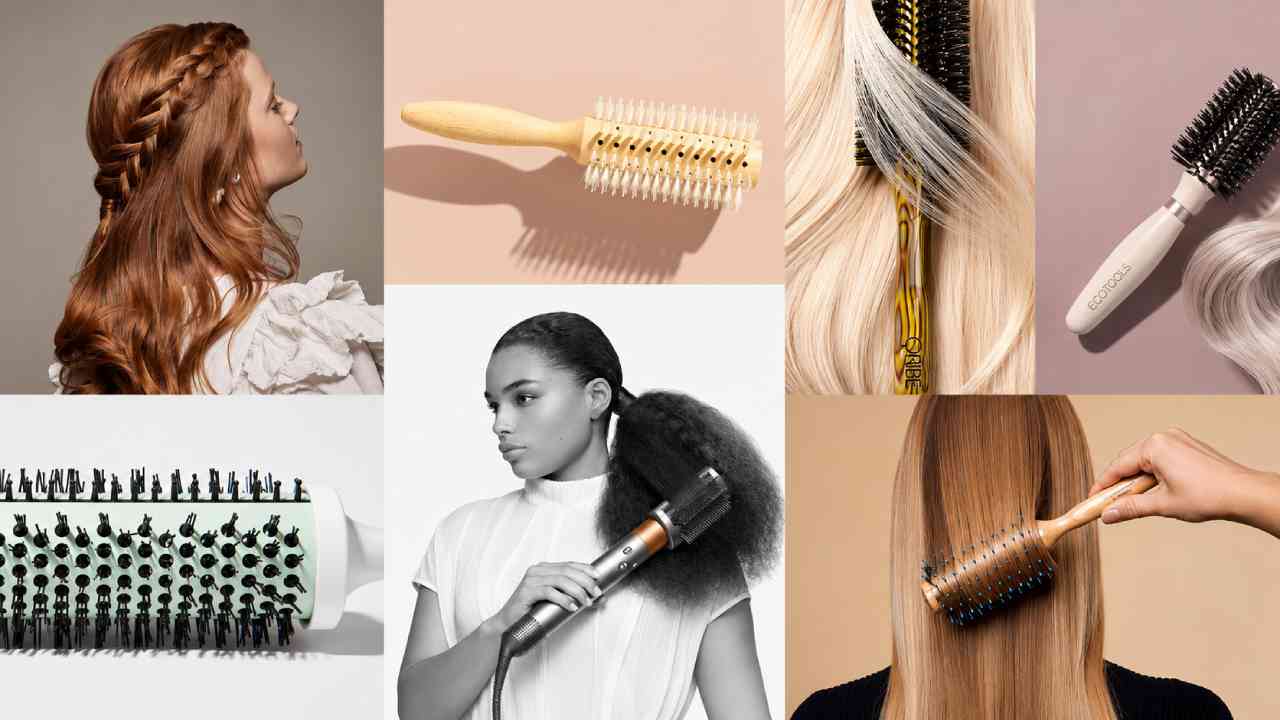
Petite Paulina – Beautiful, bouncy hair no longer requires a weekly salon appointment. Today, round hair brushes help people recreate polished blowouts at home. These simple styling tools can add volume, shape, and movement to everyday hairstyles. Moreover, they offer greater control when used with a hair dryer. However, choosing the right brush and learning proper techniques remain essential. With a little practice, an ordinary morning routine can become a more enjoyable styling experience.
Round Hair Brushes Make Everyday Styling Feel More Professional
A professional blowout often looks effortless, yet achieving that finish requires careful styling. Round hair brushes help recreate the process by guiding hair while warm air shapes each section. Unlike flat brushes, their cylindrical design allows hair to curve around the barrel. As a result, users can create lifted roots, smooth lengths, and softly rounded ends. Moreover, the brush provides tension that helps control hair during drying. This combination can make everyday styling feel more deliberate and polished. However, the final result depends on hair texture, brush size, and drying technique. Beginners may need several attempts before developing a comfortable routine. Fortunately, small adjustments often make a noticeable difference. For example, working with smaller sections can improve control and reduce tangling. Over time, the technique becomes easier and more predictable. Therefore, a round brush can become a practical addition to a regular hair care routine.
Choosing the Right Brush Size Changes the Final Hairstyle
Brush diameter plays an important role in creating different hairstyles. Smaller round hair brushes generally produce tighter curves and more defined movement. Consequently, they work well for short layers, bangs, and shorter hairstyles. Meanwhile, larger barrels create broader bends and smoother finishes. These sizes often suit longer hair and loose, flowing blowouts. However, hair length is not the only factor worth considering. Someone with thick hair may prefer a brush that provides comfortable tension without pulling excessively. Likewise, people with fine hair might choose a lightweight brush for easier handling. A medium-sized barrel can offer flexibility for several styling goals. Nevertheless, no single diameter works perfectly for every haircut. The best approach involves matching the brush to the desired shape and individual hair characteristics. Before purchasing, consider whether the main goal is volume, smoothness, or defined curls. This simple decision can make styling more effective.
Read Also: Blepharoplasty Gains Attention as Eye Bag Surgery Becomes Popular
Ceramic and Natural Bristles Offer Different Styling Experiences
Round hair brushes come in several materials, and each design offers different benefits. Ceramic barrels are popular because they can distribute heat during blow-drying. As a result, they may help shape hair more evenly when used correctly. However, excessive heat can still damage hair, regardless of the brush material. Meanwhile, natural bristles often provide gentle tension and help distribute natural oils along the hair shaft. Some brushes combine natural and synthetic bristles to balance grip and flexibility. Additionally, vented barrels allow air to move through the brush during styling. This feature can support efficient drying, although results vary with the hair dryer and technique. For delicate or easily tangled hair, bristle flexibility may matter more than barrel material. Therefore, shoppers should consider comfort, hair condition, and styling habits together. A well-designed brush should feel manageable rather than requiring excessive force to achieve a smooth finish.
The Secret to a Smooth Blowout Begins Before Drying
A successful blowout starts long before the round brush touches the hair. First, gently remove excess water with a soft towel. Avoid rough rubbing because wet hair can stretch and break more easily. Next, apply a suitable heat protectant according to the product instructions. This step can help reduce heat-related damage during styling. However, heat protection does not make hair completely resistant to high temperatures. Afterward, detangle carefully with a wide-tooth comb or suitable detangling brush. Hair should be damp rather than dripping wet before detailed round-brush styling begins. For many people, rough-drying until the hair is mostly dry makes the process easier. Additionally, divide the hair into manageable sections using clips. Smaller sections allow better airflow and more consistent control. These preparations may seem simple, yet they can significantly improve the experience. Consequently, styling becomes less frustrating and the finished hairstyle often looks more polished.
Simple Blow Drying Techniques Create Natural Volume and Movement
Creating a salon-inspired blowout involves coordination between the brush and hair dryer. Begin with a small section near the roots. Place the round brush underneath the hair and lift gently to encourage volume. Then, direct warm airflow along the hair shaft while moving the brush toward the ends. Keep the dryer moving and avoid holding concentrated heat against one area. Moreover, use a nozzle attachment when available to guide airflow more precisely. For softly curved ends, rotate the brush slightly as the section dries. However, avoid wrapping hair too tightly around the barrel, especially when learning. This can cause tangling and unnecessary pulling. Once the section is dry, a brief cool-air setting may help the shape settle. Repeat the process throughout the hair while maintaining comfortable tension. With practice, these movements become more coordinated. Ultimately, controlled airflow matters more than rushing through the styling process.
Round Hair Brushes Can Adapt to Different Hair Textures
Different hair textures respond differently to round-brush styling. Fine hair may benefit from gentle root lifting and lightweight styling products. Meanwhile, thick hair often requires smaller sections and additional drying time. For naturally wavy hair, a round brush can help create a smoother appearance while preserving soft movement. However, curly and tightly coiled hair may need more careful detangling and suitable heat settings. Excessive tension can increase breakage, particularly when hair is fragile. Therefore, styling methods should reflect individual hair needs rather than a single beauty standard. Some people prefer a sleek finish, while others want to maintain their natural texture. Both approaches can work with thoughtful product choices and technique adjustments. Additionally, people with chemically treated or damaged hair should limit unnecessary heat exposure. A comfortable styling routine should support hair health alongside appearance. Beautiful results should never require painful pulling or repeated overheating.
Common Styling Mistakes Can Reduce Blowout Results
Even high-quality round hair brushes cannot compensate for every styling mistake. One common problem involves using a barrel that is too small for long sections. Hair may wrap around the brush excessively, increasing the risk of tangles. Another mistake is applying strong heat to hair that is already dry. Consequently, the strands may experience unnecessary stress without gaining much additional shape. Some users also move the dryer against the hair cuticle, which can create a rougher appearance. Instead, directing airflow from roots toward ends often supports a smoother finish. Furthermore, working with sections that are too large can leave unevenly dried areas. Rushing through the process may also reduce volume and control. Fortunately, these problems are usually manageable with simple changes. Use moderate heat, maintain gentle tension, and work patiently. A successful blowout depends more on consistent technique than expensive equipment alone.
Building an Easy Home Blowout Routine for Lasting Style
A practical blowout routine should fit comfortably into everyday life. Start by selecting round hair brushes that match the haircut and styling goals. Then, prepare the hair with gentle detangling and appropriate heat protection. Once the hair is mostly dry, focus on shaping the roots and ends. For a natural finish, avoid forcing every section into an identical curve. Instead, allow subtle differences that create relaxed movement. After styling, let the hair cool before brushing or touching it repeatedly. A small amount of lightweight finishing product may help manage flyaways. However, excessive product can weigh down fine hair and reduce volume. Regular brush cleaning also matters because accumulated hair and styling residue can affect performance. Remove trapped strands and follow the manufacturer’s cleaning instructions. Over time, a simple routine can become easier to repeat. The goal is healthy-looking hair that feels comfortable, polished, and naturally styled.