Sustaining the Spark: How Fausto Puglisi Keeps Roberto Cavalli Glorious, Relevant, and Alive
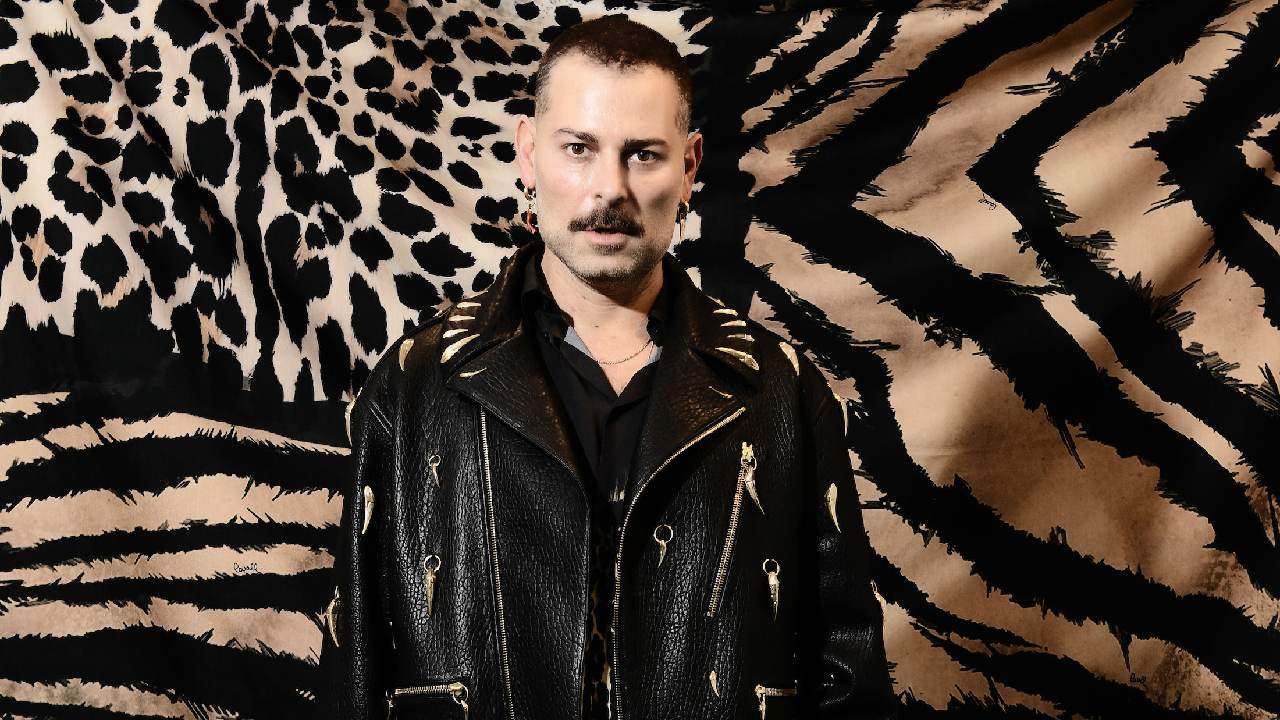
PetitePaulina – Keeping a fashion house as flamboyant as Roberto Cavalli alive is less about preservation and more about conversation. For Fausto Puglisi, the brand’s creative director for six years, the archive is not a museum but a living language. He understands that Cavalli’s early-2000s excess once worn by Christina Aguilera and Paris Hilton still resonates emotionally with younger generations seeking bold self-expression. Yet he resists nostalgia for nostalgia’s sake. Puglisi treats the founder’s maximalism as a starting point, not a finish line. He studies how people dress today, how confidence has replaced provocation, and how sensuality now belongs to the wearer, not the observer. That balance allows Cavalli to feel familiar yet urgent. In his hands, the past does not dominate the present; instead, it fuels it with meaning, memory, and modern desire.
Redefining Sexiness in a New Cultural Climate
Puglisi is keenly aware that the idea of femininity has evolved dramatically since Cavalli’s heyday. Sexiness, he believes, no longer exists to please others but to affirm personal freedom. This shift shapes everything he designs. Today’s Cavalli woman does not perform seduction; she owns it. Artists like FKA Twigs, Doja Cat, and Taylor Swift embody this change, projecting independence rather than approval-seeking glamour. Puglisi channels that mindset into clothing that feels confident, cool, and unapologetic. He celebrates difference instead of uniformity, aligning with a generation raised on self-definition. In his view, fashion must reflect emotional autonomy, not stereotypes. By reinterpreting sex appeal as self-driven power, Puglisi keeps Cavalli aligned with contemporary values while preserving its daring spirit.
“Read More : From Slopes to Style Icons: The Enduring Evolution of Ski Fashion”
Designing for a Fluid, Mix-and-Match Generation
Fashion no longer dictates full identities the way it once did. Puglisi recognizes that consumers today mix eras, brands, and moods freely. Someone might pair Cavalli jeans with a vintage Chanel jacket and an Hermès bag without hesitation. Rather than resist this fluidity, he embraces it. His solution is building a wardrobe of expressive separates what he calls “pills of happiness.” Each piece stands alone yet speaks the same language. Shopping Cavalli becomes like choosing songs on Spotify: emotional, intuitive, personal. This approach respects how people actually dress now. It also keeps the brand flexible without diluting its DNA. By designing for choice rather than prescription, Puglisi ensures Cavalli remains wearable, desirable, and culturally fluent.
Celebrity Dressing as Authentic Dialogue, Not Strategy
While many brands aggressively chase celebrity endorsements, Puglisi approaches star relationships with instinctive ease. His history explains why. He began dressing icons like Whitney Houston, Madonna, and Michael Jackson long before social media made celebrity marketing transactional. For him, collaboration is about trust and storytelling. That philosophy continues at Cavalli. Whether dressing Beyoncé or Taylor Swift, he adapts the same vocabulary to different personalities. The Skims collaboration with Kim Kardashian emerged organically from mutual respect, not corporate choreography. Puglisi sees Kardashian as a pop culture force, a modern Marilyn Monroe who reflects society’s obsessions. His natural rapport with artists allows Cavalli to shine authentically on global stages without feeling forced or opportunistic.
“Read More : Volcom and Boardriders Reclaim Their Hawaiian Roots Through Strategic Retail Revival”
Inspiration Drawn From Life, Not Trend Forecasts
Puglisi rejects rigid trend narratives like “quiet luxury.” Instead, he draws inspiration from everything around him. In Hong Kong, he rides the subway to observe how people move and dress. He absorbs music, film, cartoons, and art with equal curiosity. Influences range from David Lynch and Dario Argento to Andy Warhol and Madonna’s pop mythology. Music, he says, matters most because it transcends language and connects emotionally. This open-ended curiosity keeps his creativity alive. He sketches constantly, even at dinner. For Puglisi, fashion is not a job but a state of being. That human, obsessive passion translates into collections that feel alive rather than calculated.
Glamour as Escape in an Uncertain World
In a time marked by anxiety and instability, Puglisi believes glamour serves a deeper purpose. Cavalli’s success in places like Miami, Macao, and Saint-Tropez reflects a universal desire for escape. He does not shy away from beauty, joy, or excess. Instead, he defends them. For Puglisi, fashion answers a fundamental human need: the desire to feel attractive, alive, and emotionally stirred. He calls it the law of desire. By staying loyal to this belief, he keeps Cavalli commercially strong and emotionally relevant. Glamour, in his vision, is not superficial. It is a form of optimism and a promise that fashion can still make people feel something real.