The Simple Foot Care Routine for Softer, Smoother Feet
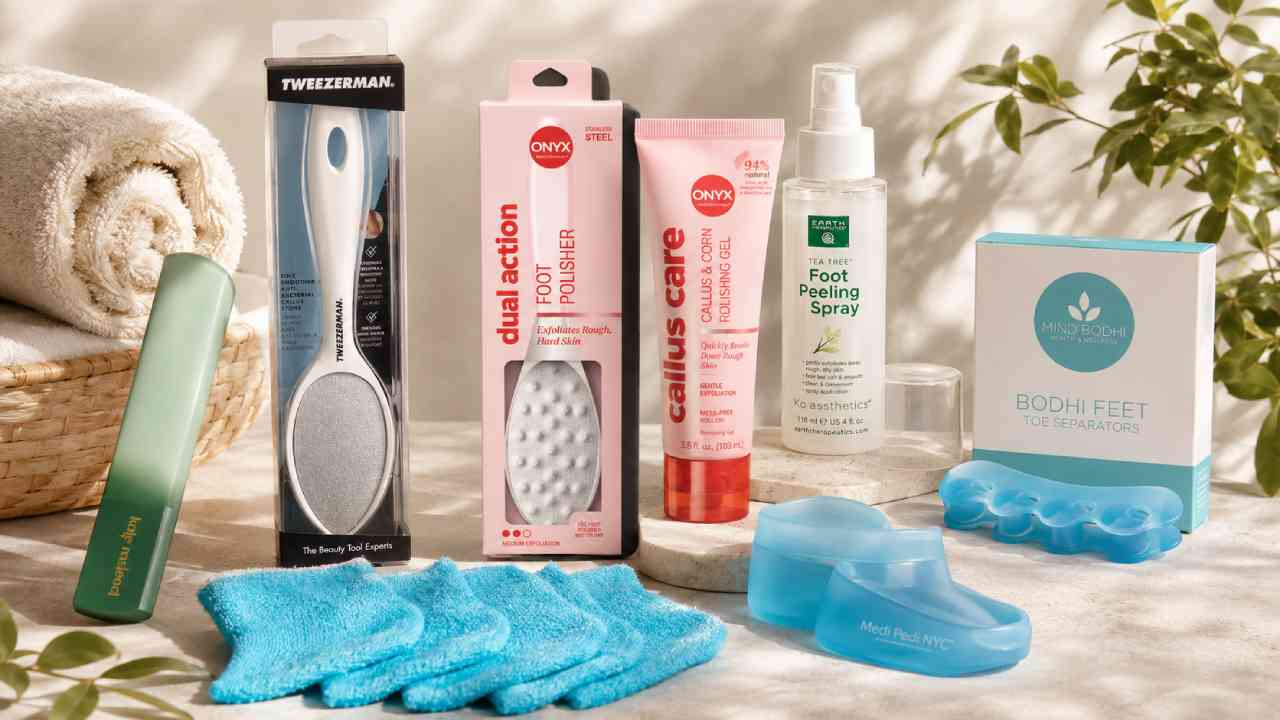
Petite Paulina – The Simple Foot Care routine does not require an overflowing bathroom shelf or a weekly salon appointment. Instead, softer feet usually come from a few gentle habits repeated consistently. Feet deal with pressure, friction, sweat, shoes, and long hours of standing. Therefore, the skin around the heels and soles can become rough faster than many other areas. A practical routine should focus on three basic goals: cleansing, controlled exfoliation, and regular moisturizing. More importantly, avoid trying to remove every rough patch in one session. Aggressive scrubbing may leave the skin irritated rather than smooth. A better approach treats foot care like body skincare. Small amounts of regular maintenance can make a noticeable difference over time. Once the routine becomes familiar, it takes only a few minutes. That makes it easier to maintain throughout the year, not only when sandals return or dry heels become uncomfortable.
Read Also: The Biggest Fall Sweater Trends Taking Over 2026
Wash Your Feet Without Stripping the Skin
A good routine begins with clean skin. During a shower, gently wash the tops, soles, heels, and spaces between the toes. Warm water usually works well, while extremely hot water can leave already dry skin feeling tighter. After washing, rinse away cleanser and dry the feet carefully. Pay particular attention between the toes because trapped moisture can create an uncomfortable environment. However, clean does not mean aggressively scrubbed. A soft washcloth and mild cleanser are enough for everyday care. If your feet feel dry immediately after showering, consider whether your water temperature or cleanser is too harsh. This small adjustment can make later moisturizing more effective. In addition, clean skin gives you an opportunity to notice changes such as persistent cracks, irritation, unusual discoloration, or areas that feel painful. When something looks unusual or does not improve, professional medical advice is more appropriate than increasingly aggressive home treatments.
Exfoliate Rough Heels Gently
Exfoliation can help smooth areas where dead skin builds up, especially around the heels. A pumice stone or foot file offers a simple mechanical option. However, technique matters more than force. Use gentle movements and stop before the skin becomes sore or sensitive. In most cases, you do not need to file your feet every day. Occasional exfoliation combined with consistent moisturizing is usually a more balanced approach. Avoid cutting or shaving callused skin yourself because doing so increases the chance of injury. Moreover, not every thickened area needs to disappear completely. Calluses develop partly in response to repeated pressure and friction. Therefore, reducing excessive roughness makes more sense than chasing perfectly thin skin. People with diabetes, poor circulation, reduced sensation, or recurring foot problems should ask a qualified healthcare professional before using files, peels, or other intensive treatments.
Consider Chemical Exfoliation With Care
Physical filing is not the only way to address rough skin. Some foot products contain exfoliating ingredients such as alpha hydroxy acids or beta hydroxy acids. Others use urea, which can help soften thick, dry skin while supporting hydration. These formulas can be useful when traditional moisturizer alone does not provide enough softness. Still, stronger does not automatically mean better. Follow product directions and avoid combining several aggressive exfoliating treatments at once. For example, using a strong foot peel and intensive filing on the same day may leave the skin unnecessarily irritated. Also, avoid applying exfoliating acids to open cracks, wounds, or inflamed areas unless a healthcare professional specifically recommends it. A gradual approach is easier to control. Start with one product, observe how your skin responds, and adjust from there. Ultimately, healthy-looking feet should feel comfortable, not tender from excessive treatment.
Moisturizer Makes the Biggest Everyday Difference
If there is one habit worth repeating, it is moisturizing. Heels and soles often need richer formulas than areas such as the arms. Look for creams or balms designed to soften dry skin and reduce moisture loss. Ingredients such as urea, glycerin, ceramides, or petrolatum can appear in products made for very dry skin. Apply moisturizer after bathing, when the skin is clean and slightly damp. This timing can help support moisture retention. Then, massage the product into the heels and other dry areas. However, avoid leaving heavy cream between the toes, where excess moisture may be undesirable. Consistency matters more than applying a huge amount once a week. A small daily application can be easier to maintain. As a result, the skin receives regular support instead of alternating between long periods of dryness and occasional intensive treatments.
Turn Bedtime Into an Easy Foot Care Moment
Evening is an ideal time for The Simple Foot Care routine because your feet can rest after moisturizing. Start with clean, dry feet. Next, apply a richer cream or balm to the heels and soles. If your skin is particularly dry, breathable socks can help keep the product in place overnight. Some people also use heel sleeves designed to concentrate moisture around the driest area. The routine does not need to happen every night at first. Try several evenings each week and see how your skin responds. More importantly, keep the process comfortable. Occlusive products can make floors slippery, so put on socks before walking around. In addition, discontinue any product that causes persistent burning, redness, or irritation. A bedtime routine works well because it connects foot care with something you already do every day. That makes consistency much easier than relying on occasional intensive treatments.
Pay Attention to Your Shoes and Daily Friction
Skincare products cannot solve every source of roughness. Footwear also influences how your feet feel. Shoes that repeatedly rub one area can encourage thicker skin and irritation. Meanwhile, poorly fitting footwear may create pressure around the toes or heels. Take note of where your shoes leave marks after a long day. If the same spot becomes sore repeatedly, the problem may involve fit rather than dry skin alone. Socks matter as well. Clean, comfortable socks can reduce friction and manage moisture during daily activities. Rotating footwear may also give shoes time to dry between uses. These habits sound simple, yet they support the results of your skincare routine. In my view, this is where many foot care routines fall short. People focus on removing rough skin without asking why it keeps returning. Addressing repeated friction can make your other efforts more effective and comfortable.
Give Your Toenails Some Attention Too
Healthy-looking feet involve more than smooth heels. Toenails also benefit from simple maintenance. Trim them regularly, but avoid cutting deeply into the corners. Cutting nails too short can create discomfort and may contribute to problems around the nail edges. Use clean tools and gently smooth sharp edges with a nail file. At the same time, check for persistent changes in thickness, color, texture, or shape. Nail polish can temporarily hide these details, so occasional polish-free periods make observation easier. Cuticles also deserve a gentle approach. There is rarely a reason to aggressively cut or remove healthy surrounding skin at home. Instead, focus on cleanliness and comfort. If a toenail becomes painful, repeatedly grows into surrounding skin, or changes significantly without an obvious reason, consider professional evaluation. Cosmetic treatments can improve appearance, but they should never replace appropriate care for a persistent foot or nail problem.
Read Also: Y2K Layering Is Back, but 2026 Is Giving It a Modern Upgrade
A Weekly Reset Can Keep Roughness Under Control
Daily maintenance works even better with a short weekly reset. Choose one convenient evening and spend a little extra time checking your feet. After washing, assess the heels and other pressure areas. If they feel rough, use gentle exfoliation rather than aggressive scraping. Next, apply a generous layer of moisturizer and allow it to absorb. This is also a useful time to trim nails, clean your tools, and check whether any shoes have been causing friction. The entire process can remain simple. You do not need a long soak, multiple masks, or several exfoliating products. In fact, adding too many steps often makes a routine harder to maintain. Think of the weekly session as maintenance rather than repair. Regular attention can help prevent minor dryness from becoming a much larger project. Therefore, the best routine is often the one you can realistically repeat.
Know When Home Foot Care Is Not Enough
Dry skin is common, but not every foot problem belongs in a beauty routine. Deep cracks that bleed, persistent pain, swelling, spreading redness, wounds, numbness, or signs of infection deserve medical attention. Recurring nail problems may also require professional assessment. In addition, people with conditions that affect circulation or sensation should take extra care with DIY exfoliation. This distinction matters because beauty advice should support comfort without encouraging people to treat medical concerns as cosmetic imperfections. Professional foot care can also be helpful when thick calluses or nail issues become difficult to manage safely at home. A podiatrist or another qualified healthcare professional can assess the underlying problem and recommend suitable care. In other words, knowing when to stop experimenting is part of a responsible routine. Softer skin is a worthwhile goal, but protecting the health of your feet always comes first.
Consistency Is the Real Secret to Softer Feet
The most effective The Simple Foot Care routine is not necessarily the most complicated one. Gentle cleansing, occasional exfoliation, daily moisture, comfortable footwear, and basic nail maintenance cover most of the routine. More importantly, these steps work together. Exfoliation can remove excessive roughness, while moisturizer helps keep newly softened skin comfortable. Meanwhile, better-fitting shoes may reduce the friction that caused rough patches in the first place. This creates a cycle of maintenance rather than constant repair. Give the routine time to work instead of expecting dramatic results after one evening. Skin changes gradually, especially when the heels have been dry for months. With steady care, however, feet can begin to feel smoother and more comfortable. Ultimately, the goal is not flawless skin. It is creating a realistic routine that keeps your feet cared for, comfortable, and ready for everything they carry you through each day.