Y2K Layering Is Back, but 2026 Is Giving It a Modern Upgrade
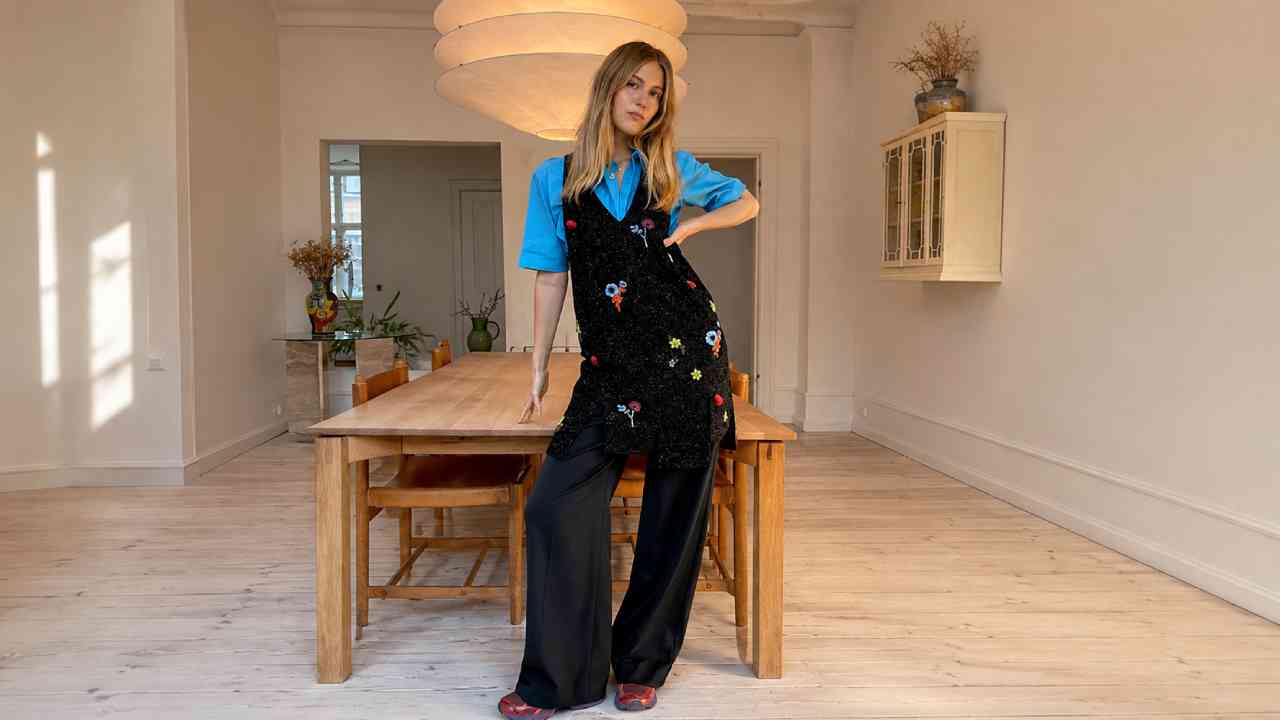
Petite Paulina – Y2K Layering Is Back, but the 2026 version feels noticeably different from the chaotic styling associated with the early 2000s. Familiar combinations are returning, including dresses over jeans, stacked polo shirts, and tanks worn over tees. However, today’s approach relies more heavily on balance. Instead of piling several statement pieces together, modern styling gives each layer a clear purpose. Colors often stay within a controlled palette, while silhouettes create contrast without overwhelming the outfit. As a result, the nostalgic influence feels surprisingly wearable. This shift also shows how fashion revivals tend to evolve rather than return unchanged. Designers and street-style enthusiasts are borrowing recognizable Y2K ideas while leaving behind some of the era’s visual excess. The outcome still feels playful, yet it works naturally with contemporary wardrobes. In many ways, that balance between nostalgia and restraint is what makes the revival interesting in 2026.
Read Also: Anne Hathaway’s Coconut Jelly Nails Are the Ultimate Minimalist Manicure
Dresses Over Jeans Are Getting Another Fashion Moment
Few combinations represent early-2000s layering better than wearing a dress over jeans. In 2026, the once-divisive pairing is finding new life through better proportions. Rather than combining any dress with any pair of denim, current styling tends to create deliberate contrast. A fitted bodice can sit above a flowing skirt, while straight-leg or gently flared jeans provide structure underneath. Meanwhile, lightweight fabrics prevent the outfit from looking unnecessarily bulky. The denim wash also changes the overall mood. Light or slightly distressed jeans lean heavily into Y2K nostalgia, whereas dark denim creates a more polished effect. Footwear can pull the look in either direction as well. Simple flip-flops make it casual, while sleek flats can make the combination feel more contemporary. Ultimately, the dress-over-jeans comeback proves that even a famously controversial styling trick can work when proportion becomes the priority.
Double Polos Return Without the Early-2000s Excess
The double-polo look is another unexpected Y2K styling trick returning to fashion conversations. Originally associated with bold preppy dressing, the combination involved stacking polo shirts so both collars remained visible. Today, the idea feels less exaggerated. Similar or complementary colors can create a layered neckline without making the upper half look too busy. For example, two polos within the same tonal family produce depth while maintaining visual consistency. A skirt or pair of relaxed trousers can then introduce contrast below. This approach works because the outfit does not depend on excessive accessories to communicate its nostalgic influence. Instead, the layered collars become the focal point. Fabric weight also matters. Thin polos usually sit more naturally together than two heavy shirts. Therefore, anyone experimenting with this trend should consider comfort as much as appearance. The modern double polo succeeds when it feels intentional rather than simply crowded.
Tank Tops Over T-Shirts Feel Surprisingly Current Again
Wearing a tank top over a T-shirt once felt unmistakably Y2K. Now, the combination is being reconsidered through a more sophisticated styling lens. A fitted tee can act as a clean base layer, while a knit or structured tank creates shape above it. Interestingly, the pairing can also soften formal clothing. When worn beneath relaxed tailoring, layered tanks and tees introduce a casual element without making the entire outfit look unfinished. This contrast between polished and relaxed pieces is particularly relevant in 2026. Fashion increasingly mixes categories that once remained separate. Office-inspired trousers can meet sporty tops, while tailored jackets can sit over casual knits. Consequently, the Y2K tank-over-tee combination no longer needs to look like a direct recreation of an old outfit. With thoughtful proportions and restrained colors, it becomes another practical layering technique. The nostalgia remains visible, but it does not control the whole look.
Layered Knitwear Makes Y2K Styling More Practical
Not every Y2K-inspired outfit needs to be dramatic. Layered knitwear offers a quieter way to participate in the revival, especially during changing weather. One useful combination places a long-sleeve top beneath a V-neck sweater and cardigan. Each neckline remains visible, creating depth without requiring bold prints or accessories. This styling method also has a practical advantage because individual layers can be removed as temperatures change. To keep the outfit balanced, neutral trousers or simple denim work well underneath. Meanwhile, small color differences between the upper layers can create a more considered appearance. The key is avoiding several thick fabrics at once. Lightweight knits allow each piece to sit comfortably without adding excessive volume. Compared with dresses over jeans or double polos, this approach feels less obviously nostalgic. Nevertheless, the stacked silhouette still carries the playful spirit of Y2K dressing while adapting naturally to a modern wardrobe.
Designers Are Turning Nostalgia Into Something New
The renewed interest in layering extends beyond casual street style. Fashion designers have also explored stacked silhouettes, unexpected combinations, and visible base layers in recent collections. Labels including Prada and Stella McCartney have shown how layering can move between nostalgic references and contemporary tailoring. The important detail is interpretation. Instead of recreating early-2000s outfits piece by piece, designers adjust proportions, materials, and structure. A sporty layer may appear beneath sharply tailored clothing, while familiar knits receive more exaggerated silhouettes. This approach keeps nostalgia from becoming costume-like. Moreover, it demonstrates why Y2K continues to influence fashion after several seasons of revival. The era provides recognizable styling ideas that can be repeatedly reworked. In 2026, the strongest looks are not necessarily those that reproduce the past most accurately. Rather, they use familiar references as starting points for something new.
Proportion Is the Secret to Making Layering Work
Layering becomes difficult when every garment competes for attention. Therefore, proportion is one of the most important elements behind the updated Y2K look. If the top half is oversized, a cleaner silhouette underneath can prevent the outfit from becoming shapeless. Conversely, fitted upper layers can work well with wider trousers or flowing skirts. Length also deserves attention. A dress worn over jeans usually looks more deliberate when both pieces create distinct lines instead of ending at awkwardly similar points. The same principle applies to knitwear. Visible collars, cuffs, and hems should appear intentional rather than accidental. In addition, lightweight fabrics are easier to stack without creating unnecessary bulk. This does not mean every outfit needs perfect symmetry. Y2K fashion has always benefited from a little visual unpredictability. Still, controlled proportion gives that unpredictability structure. Once the silhouette feels balanced, unusual combinations become much easier to wear.
Read Also: From Latex to Minimalism: Inside Arianne Phillips’ Latest Costume Designs
Color Coordination Keeps Multiple Layers Under Control
Several layers can quickly make an outfit feel visually crowded. A controlled color palette solves much of that problem. Tonal dressing is particularly effective because different shades of one color create dimension without introducing too many competing elements. For instance, burgundy, soft red, and dusty pink can coexist across several layers while still feeling connected. Neutral colors offer another easy route. White, gray, brown, navy, and black can anchor one brighter Y2K-inspired piece. However, matching everything perfectly is not necessary. Small contrasts often make layered outfits more interesting. The goal is simply to establish a visual relationship between the garments. Accessories can then repeat one of the existing colors instead of adding another unrelated shade. This approach is especially helpful when experimenting with double polos or layered knits. By controlling color, the wearer can take more risks with silhouette while keeping the overall outfit cohesive.
The Best Y2K Looks Avoid Becoming a Costume
Fashion nostalgia can become overly literal when every element comes from the same era. Low-rise jeans, stacked tops, tinted sunglasses, chunky accessories, and retro footwear may individually reference Y2K. Wearing all of them together, however, can make an outfit feel more like a themed recreation. The updated 2026 approach works better when nostalgic pieces are mixed with modern basics. A dress over jeans might be paired with understated shoes and a simple bag. Likewise, double polos can sit above a clean skirt rather than several additional throwback pieces. This selective approach gives older styling ideas room to stand out. Personal style should also remain part of the equation. A trend becomes more useful when it can adapt to clothes someone already enjoys wearing. Therefore, there is no need to reproduce a runway or archival outfit exactly. One recognizable layering trick can provide enough Y2K character while the rest remains unmistakably current.
Y2K Layering Is Back Because Fashion Loves Reinvention
Y2K Layering Is Back because fashion rarely brings an old idea back without changing its context. In 2026, the revival feels less concerned with recreating a specific decade and more interested in rediscovering playful ways to combine clothes. Dresses meet denim again, polos stack together, and simple tees become visible beneath tanks and tailoring. Yet these combinations now benefit from cleaner proportions and more deliberate color choices. That evolution makes the trend accessible even to people who do not want a full Y2K wardrobe. One layered combination can introduce nostalgia without dominating an entire look. More importantly, the trend encourages experimentation with pieces already hanging in the closet. Fashion does not always require a completely new wardrobe to feel fresh. Sometimes, changing how familiar garments are combined creates the biggest difference. That spirit of experimentation may be the most modern part of the Y2K revival.