From Latex to Minimalism: Inside Arianne Phillips’ Latest Costume Designs
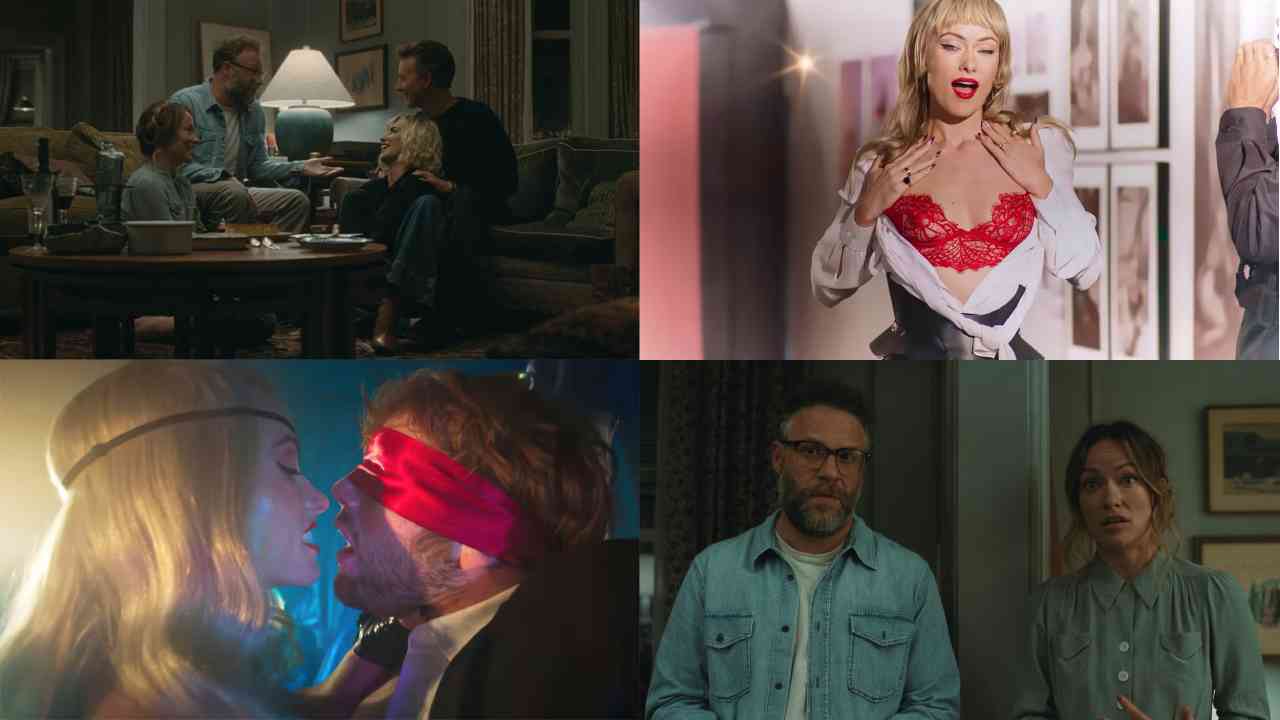
Petite Paulina – Few creative challenges reveal a costume designer’s range better than two projects that demand opposite visual languages. Arianne Phillips recently faced exactly that situation with I Want Your Sex and The Invite. One project embraces provocative silhouettes, lingerie, latex, and expressive styling. The other depends on restraint, subtle details, and carefully chosen everyday clothing. However, both approaches serve the same purpose: helping audiences understand characters before dialogue explains everything. Phillips treats clothing as part of cinematic storytelling rather than simple decoration. A jacket can suggest confidence, while an unusual piece of jewelry can reveal personality. Likewise, a deliberately imperfect color combination can quietly reflect tension between characters. This contrast makes her recent work especially interesting. Instead of forcing a recognizable signature onto every project, she adapts her fashion language to the emotional needs of each story. As a result, two very different wardrobes still carry the same attention to character.
Read Also: Why Medicube Is Becoming One of the Most Talked-About K-Beauty Brands
Latex Becomes More Than a Provocative Fashion Statement
In I Want Your Sex, latex immediately creates a strong visual impression. Yet Arianne Phillips does not treat the material as an easy shortcut to provocation. Instead, she integrates it into complete outfits that feel connected to the character and the film’s heightened world. Latex can appear alongside tailoring, outerwear, lingerie, or statement accessories. Consequently, the material becomes part of a broader fashion vocabulary rather than an isolated costume trick. This approach matters because bold clothing can easily overwhelm a character. When every piece demands attention, the audience may notice the wardrobe before understanding the person wearing it. Phillips avoids that problem by considering proportion, styling, texture, and context. The result feels intentional rather than random. In my view, this is where costume design separates itself from simply choosing fashionable clothes. The goal is not to display an impressive garment. Instead, the garment must communicate something useful about the person inside it.
Olivia Wilde’s Wardrobe Uses Fashion to Express Power
Olivia Wilde’s Erika Tracy receives a particularly expressive wardrobe in I Want Your Sex. The character moves through the story with confidence, status, and a strong sense of control. Therefore, her clothing needs to communicate those qualities immediately. Arianne Phillips and co-costume designer Monica Chamberlain developed a wardrobe with 28 costume changes for Wilde. Latex, lingerie, sharp tailoring, jewelry, and carefully selected accessories contribute to Erika’s visual identity. However, variety alone does not make the wardrobe successful. Each look needs to feel like something the same character would choose. That consistency allows the clothes to build personality across different scenes. Fashion also helps communicate Erika’s relationship with wealth and power. Instead of explaining those qualities through dialogue, the film can show them through fabric, silhouette, and styling. Consequently, wardrobe becomes another layer of performance. Wilde plays the character through movement and expression, while her clothing reinforces what the audience needs to understand.
Lingerie Moves From Underneath Clothing Into the Spotlight
Lingerie has moved between private clothing and visible fashion for decades. In this project, Arianne Phillips uses that tension as part of the visual storytelling. Rather than keeping lingerie hidden beneath conventional outfits, she allows selected pieces to become central styling elements. This approach gives the wardrobe a sense of confidence and intentional exposure. However, it also requires careful balance. Lingerie-inspired styling can quickly feel disconnected from a character when it exists only for visual impact. Phillips instead combines intimate pieces with structured garments and accessories. Therefore, the looks can feel provocative without becoming one-dimensional. Her long experience working with performance fashion also informs this perspective. Clothing that traditionally belongs underneath another layer can gain an entirely different meaning when deliberately exposed. The styling then becomes about control over visibility. Within a character-driven film, that distinction matters. What someone chooses to reveal can communicate as much as what they choose to conceal.
The Invite Demands an Almost Opposite Design Philosophy
After the visual intensity of I Want Your Sex, The Invite presents Arianne Phillips with a remarkably different challenge. Much of the film unfolds during one evening in a confined setting. As a result, costume changes cannot constantly introduce new information. Each primary outfit must carry far more narrative responsibility. This limitation shifts attention toward subtle choices. Fabric, fit, color, jewelry, and small styling details become especially important because audiences spend extended time with the same look. Rather than treating this restriction as a weakness, Phillips uses it to deepen characterization. A blouse can suggest artistic taste. Men’s trousers can change a silhouette. Meanwhile, mismatched earrings can make a character feel more personal and less perfectly styled. The wardrobe does not need to demand attention in every frame. Instead, it gradually reveals information as viewers spend more time with the characters. That quiet approach demonstrates another side of effective costume design.
Small Accessories Can Reveal More Than Dramatic Outfits
Costume storytelling often happens through details that viewers may not consciously notice. In The Invite, Arianne Phillips uses accessories to add those quiet layers. Olivia Wilde’s character, Angela, wears mismatched earrings and a distinctive Hermès Médor watch. These details help create the impression of someone with an established personal style. They also make the outfit feel collected over time rather than assembled only for a movie scene. Penélope Cruz’s character receives equally thoughtful attention. Because hand gestures play an important role in her performance, rings and other visible accessories become useful visual elements during close shots. This demonstrates why costume design extends beyond dresses, jackets, and trousers. A watch, ring, shoe, or earring can contribute to characterization when the camera gives it enough space. Moreover, accessories can suggest taste, history, financial status, or personality without explicit explanation. Small objects often become surprisingly powerful storytelling tools.
Color Can Quietly Reflect a Relationship in Trouble
One of the most interesting techniques in Arianne Phillips’ recent work involves color. Costume and production design need to exist within the same visual environment. Therefore, Phillips collaborated with production designer Jade Healy while shaping the wardrobe for The Invite. Angela’s mint-toned clothing creates a connection with the apartment around her. Meanwhile, Seth Rogen’s character wears denim blue. When those colors appeared together on camera, they did not create perfect harmony. Yet that imperfection became useful. Instead of correcting the combination simply because it looked less coordinated, the visual tension could support the emotional tension between the characters. This is a subtle but effective idea. Costume color does not always need to create beauty. Sometimes, slight discomfort communicates more. Viewers may never consciously think about why two characters look visually disconnected. Nevertheless, color can reinforce what the story already makes them feel. That is visual storytelling working beneath the surface.
Read Also: How to Style Ballet Flats in 2026 Without Looking Outdated
Great Costume Design Does Not Always Need to Look Expensive
Luxury fashion can bring immediate visual impact to cinema, but recognizable labels alone cannot create a convincing character. Arianne Phillips demonstrates why context matters more than price. A high-end accessory may work perfectly when it reflects a character’s background. However, vintage-inspired pieces, understated trousers, or deliberately mismatched jewelry can communicate just as much. The important question is whether the clothing belongs to the fictional person wearing it. This principle becomes especially clear when comparing her two recent projects. I Want Your Sex benefits from heightened fashion because its characters and visual world support that approach. The Invite, meanwhile, needs clothing that can survive long stretches of screen time without becoming distracting. Therefore, success looks different in each film. One wardrobe can be memorable because it is extravagant. Another can succeed because audiences barely notice how carefully every detail supports the character. Both require precision.
Contrast Shows the Real Range of Arianne Phillips
Looking at these projects together reveals why Arianne Phillips remains such an interesting figure in contemporary costume design. Her work does not depend on one fixed aesthetic. Instead, she adjusts her approach according to character, setting, performance, and narrative tone. In one film, latex and lingerie help create a heightened world of confidence and power. In another, a mint blouse or mismatched earrings can carry emotional information quietly. This flexibility is essential because costume design serves storytelling before fashion spectacle. The most beautiful outfit is not necessarily the right costume. Likewise, an ordinary-looking outfit may contain layers of deliberate creative decisions. Phillips appears comfortable working at both extremes. She can make clothing impossible to ignore, but she can also make it disappear naturally into a character’s life. That ability gives her recent work an unusual sense of range.
From Bold Fashion to Quiet Details, Clothing Keeps Telling the Story
The contrast between I Want Your Sex and The Invite ultimately demonstrates how many ways clothing can communicate on screen. Arianne Phillips can use latex, lingerie, and dramatic accessories when a story requires visual intensity. Yet she can also step back and allow color, fit, jewelry, and texture to work quietly. Neither approach is inherently stronger. Instead, effectiveness depends on what the character and story need at that moment. This perspective also explains why memorable costume design goes beyond creating outfits that audiences want to buy. Clothing can establish power, expose vulnerability, suggest history, or reveal tension between people. Sometimes, viewers recognize those signals immediately. At other times, they simply feel them. Phillips’ latest projects occupy both ends of that spectrum. One announces itself boldly, while the other rewards closer observation. Together, they show that costume design can speak loudly or softly and still tell a compelling story.