How to Style Ballet Flats in 2026 Without Looking Outdated
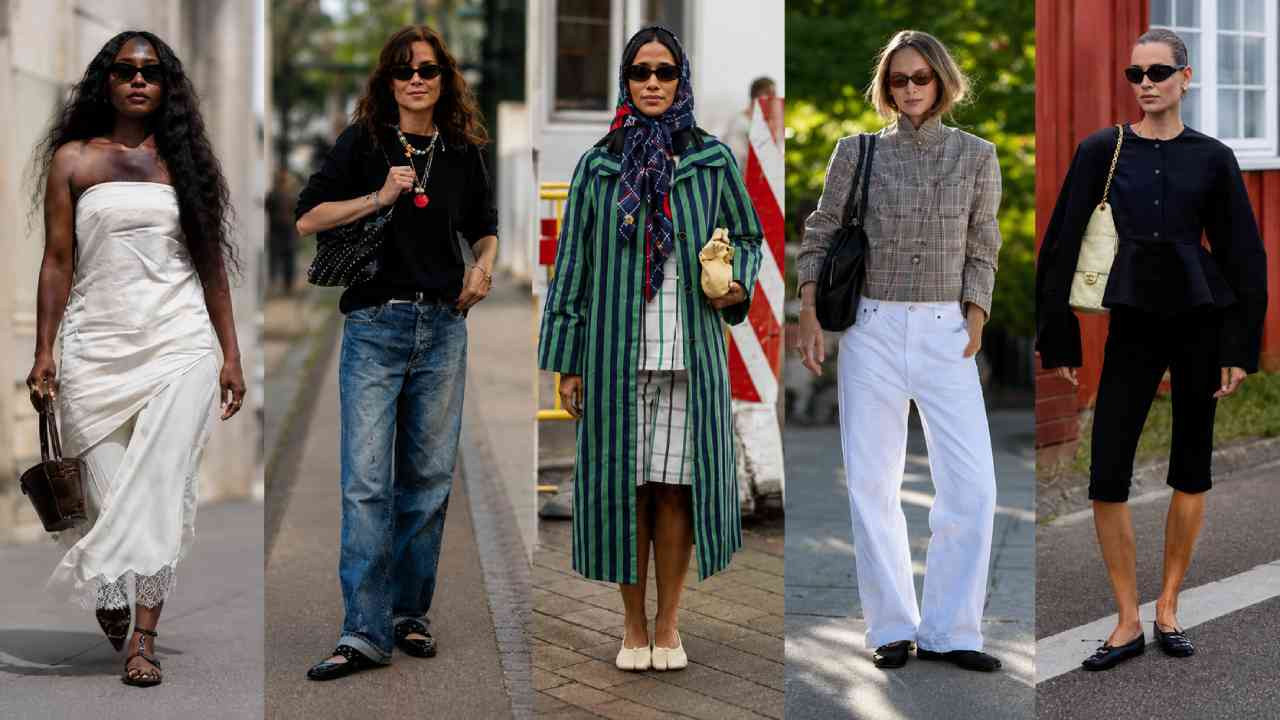
Petite Paulina – Ballet flats have moved beyond their reputation as simply sweet or preppy shoes. In 2026, the most interesting way to Style Ballet Flats is through contrast. Relaxed denim, structured tailoring, long shorts, flowing skirts, and lightweight knitwear can make these familiar shoes feel surprisingly current. The key is not buying an entirely new wardrobe. Instead, modern styling depends on proportion, texture, and thoughtful combinations. A delicate flat can soften oversized clothing, while an unexpected print can bring energy to neutral basics. This flexibility explains why ballet flats remain useful when fashion trends change quickly. Rather than treating them as a nostalgic revival, consider them a versatile foundation that can move between casual mornings, office outfits, and evening plans.
Read Also: Why Medicube Is Becoming One of the Most Talked-About K-Beauty Brands
Start With Relaxed Jeans for an Effortless Everyday Look
One of the easiest ways to Style Ballet Flats in 2026 is with relaxed denim. Straight-leg and loose jeans create enough visual weight to balance the delicate shape of the shoes. Meanwhile, the flats make denim feel slightly more polished than sneakers would. A simple fitted T-shirt can keep the outfit clean, while an oversized button-down adds another layer without making it complicated. The hem of the jeans also matters. Ideally, it should reveal enough of the shoe to maintain a clear silhouette rather than completely covering it. For an understated look, choose black, brown, cream, or suede flats. Alternatively, red or animal-print styles can become the focal point. This combination works because neither element tries too hard. The denim feels casual, while the footwear introduces refinement. Together, they create an everyday outfit that feels current without appearing overly trend-driven.
Give Tailored Pieces a Softer Finish
Ballet flats can change the personality of tailoring. A blazer and tailored trousers naturally create a structured silhouette. However, adding slim flats instead of traditional pumps makes the outfit feel lighter and more relaxed. This contrast works especially well with oversized blazers, cropped trousers, or modern capris. A crisp shirt underneath maintains polish, while a simple tank can make the same combination more casual. Moreover, ballet flats prevent tailoring from becoming too formal for everyday wear. Pointed or almond-shaped styles tend to create a sharper finish, while classic rounded toes feel softer. The result depends on the occasion rather than one strict fashion rule. In my view, this is one of the strongest ways to wear ballet flats now because it combines two different visual languages. Tailoring brings authority and structure, while the shoes introduce ease and femininity.
Make Capri Pants Feel Contemporary Again
Capri pants can be challenging because their cropped length creates a strong visual break around the lower leg. Nevertheless, ballet flats complement this proportion remarkably well. Their low profile keeps the ankle area visually open and prevents the outfit from feeling heavy. To make the combination more modern, pair fitted capris with a slightly oversized shirt, structured jacket, or relaxed knit. This creates balance between the narrow lower silhouette and a more substantial upper half. Alternatively, sleek capris can work with a fitted top and oversized blazer for a sharper city look. Avoid adding too many nostalgic elements simultaneously. Ballet flats, capris, a tiny cardigan, and retro accessories can quickly make the outfit feel like a costume. Instead, combine one nostalgic piece with contemporary shapes. That contrast keeps the styling rooted in 2026 rather than recreating an earlier fashion era.
Use Unexpected Prints as the Outfit’s Main Accent
Neutral ballet flats are easy to wear, but printed designs can completely change a basic outfit. Leopard, zebra, checks, and graphic patterns work particularly well when the surrounding clothing remains restrained. For example, relaxed blue jeans, a white shirt, and leopard-print flats create a simple outfit with one memorable detail. The same approach works with monochrome tailoring. Rather than adding multiple statement accessories, allow the shoes to provide the visual interest. This strategy also makes trend experimentation more manageable. A bold coat requires significant commitment, whereas printed footwear occupies a relatively small portion of the overall outfit. Consequently, it can introduce personality without overwhelming the wearer. When choosing accessories, repeat one subtle tone from the shoes rather than matching everything exactly. Modern styling often feels stronger when coordination looks intentional but not overly calculated.
Pair Ballet Flats With Long and Asymmetrical Skirts
Flowing skirts provide another natural partner for ballet flats, especially during transitional weather. However, proportion becomes important when both pieces have soft silhouettes. An asymmetrical hem can reveal more of the shoe and create movement around the ankle. Meanwhile, a structured top or fitted knit prevents the entire outfit from appearing shapeless. Maxi skirts can also work, provided the hem does not completely hide the footwear. For cooler days, add a sleeveless turtleneck, lightweight sweater, or cropped jacket. These layers introduce texture while maintaining a clean silhouette. Metallic or embellished flats can provide a subtle evening element without requiring heels. Conversely, plain leather flats keep the outfit understated for daytime. The goal is to create contrast between movement and structure. When those elements are balanced, ballet flats feel deliberate rather than simply convenient.
Try Long Shorts Instead of Predictable Mini Skirts
A modern approach to Style Ballet Flats does not require relying on traditionally feminine pieces. Long tailored shorts or relaxed Bermuda shorts create a more unexpected combination. Because these shorts have greater visual volume, slim ballet flats provide useful contrast at the bottom of the outfit. Add an oversized Oxford shirt for a casual foundation. Then, introduce a cropped jacket to define the waist and control the proportions. This formula works particularly well during the transition between warm and cooler seasons. It provides coverage without immediately moving into full-length trousers. Moreover, the styling demonstrates why ballet flats have become more versatile. They no longer need to be associated exclusively with dresses and skirts. Combining them with menswear-inspired pieces can actually make their delicate shape more noticeable, creating an outfit that feels balanced rather than excessively feminine.
Keep White Denim Going Beyond Summer
White jeans do not need to disappear when summer ends. Instead, darker textures and accessories can help them transition into cooler weather. Pair white or cream denim with black, chocolate brown, burgundy, or deep olive layers. Then, finish the look with ballet flats in leather, suede, or an unusual split-toe silhouette. A vintage-inspired jacket can provide additional depth. Meanwhile, a structured shoulder bag reinforces the seasonal shift. This formula works because the white denim creates contrast rather than making the outfit feel summery. Texture becomes especially important here. Suede shoes, heavier cotton, wool, and leather naturally communicate autumn more effectively than color alone. Therefore, seasonal dressing does not always require abandoning lighter shades. Changing the materials around them can be enough to make familiar pieces feel appropriate for a different part of the year.
Mix Silky Fabrics With Rigid Denim
Texture can make even a simple ballet-flat outfit feel considered. A silky button-down provides movement and subtle shine, while rigid denim introduces a firmer structure. Ballet flats sit naturally between those two elements because they are polished without becoming overly formal. White flats can brighten the combination, whereas dark brown or burgundy styles provide greater contrast. A structured shoulder bag can then anchor the look. The strength of this outfit lies in its simplicity. There is no need for complicated layering or excessive accessories because the materials already create visual interest. Additionally, mixing textures tends to make basic colors appear richer. Blue denim, cream silk, and brown leather can look sophisticated even without bold patterns. For anyone building a practical wardrobe, this approach offers more longevity than relying exclusively on highly specific seasonal trends.
Read Also: Cécred’s New Lash and Brow Serum Promises Fuller-Looking Results in 30 Days
Pay Attention to Toe Shape, Material, and Details
Not every ballet flat creates the same impression. Classic rounded toes tend to feel softer and more traditional. Almond shapes appear slightly sharper, while pointed styles can visually lengthen the foot. Material changes the mood as well. Smooth leather offers polish, suede creates softness, and mesh provides a lighter fashion-forward appearance. Details such as straps, studs, bows, buckles, or metallic finishes can move the shoe in entirely different directions. Therefore, selecting the right pair is partly about understanding the rest of your wardrobe. Someone who frequently wears minimal tailoring may enjoy an unusual textured flat for contrast. Meanwhile, a wardrobe filled with prints might benefit from a cleaner design. Comfort should remain equally important. A fashionable shoe loses practical value if its fit prevents you from wearing it regularly. Style works best when appearance and usability support each other.
Avoid Styling Every Trend at the Same Time
The fastest way to make ballet flats feel dated is not necessarily choosing an old silhouette. Instead, problems often appear when too many references from one fashion era are combined together. If the shoes already have bows and a traditional rounded toe, pair them with contemporary denim or modern tailoring. Likewise, if capri pants provide the nostalgic element, keep the top and accessories relatively current. This editing process creates visual tension rather than imitation. It also makes outfits easier to personalize. Trends are most useful when they provide ideas rather than complete uniforms. Therefore, use ballet flats as one component within a broader wardrobe instead of building every outfit around their historical associations. A good 2026 look should feel connected to the present while still leaving space for individual taste.
Modern Ballet Flat Style Is Really About Contrast
The most convincing way to Style Ballet Flats in 2026 is surprisingly straightforward: stop treating them as shoes that require a traditionally feminine outfit. Pair their delicate shape with relaxed jeans, substantial jackets, structured tailoring, long shorts, or unexpected textures. Then, allow color and accessories to establish personality. This approach gives the shoe a new context without removing what made it appealing in the first place. Ballet flats remain lightweight, practical, and adaptable. Yet modern proportions make them feel different from earlier fashion cycles. More importantly, they can move between casual and polished wardrobes without demanding dramatic styling changes. Fashion often becomes more interesting when familiar pieces are placed beside something unexpected. Ballet flats demonstrate that idea perfectly. They do not need to become completely new shoes; they simply need a fresher environment around them.