Best Anti-Frizz Hair Products That Actually Work for Every Hair Type
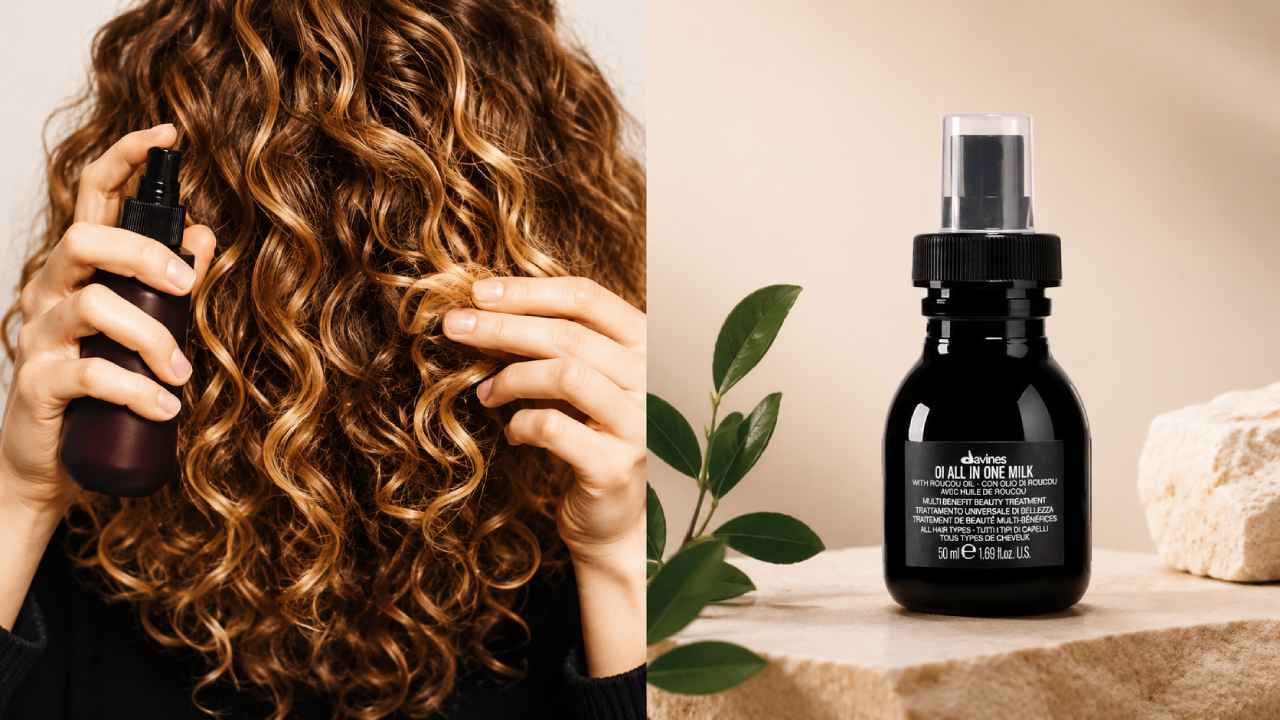
Petite Paulina – Finding the Best Anti-Frizz Hair products can feel confusing because every formula promises smoother and shinier results. However, frizz does not appear for only one reason. Humidity, dryness, heat styling, damaged cuticles, and the wrong routine can all change how hair behaves. Therefore, the most effective product is not always the heaviest serum or the most expensive cream. Instead, it should match the hair’s texture, condition, and daily needs. A lightweight spray may work well for fine hair, while thick curls often need richer moisture. With the right approach, frizz becomes easier to manage without making the hair look flat, greasy, or stiff.
Read Also: Mixsoon Becomes a Favorite for Simple and Effective Korean Skincare
Why Hair Becomes Frizzy in the First Place
Frizz often begins when the outer layer of the hair becomes rough or raised. As a result, moisture from the air enters the hair shaft and changes its shape. This reaction becomes more visible in humid weather. However, dryness can also make the problem worse. Hair that lacks moisture tries to absorb water from the surrounding air. Heat tools, bleach, frequent coloring, and harsh shampoos may also weaken the protective cuticle. Therefore, controlling frizz requires more than covering the surface with oil. A good routine should add moisture, reduce damage, and protect the hair from humidity. Once the cause becomes clear, choosing a suitable product becomes much easier.
Best Anti-Frizz Hair Products for Fine Hair
Fine hair needs careful treatment because rich formulas can quickly make it look greasy. For this hair type, lightweight sprays, leave-in mists, and thin serums usually work best. These products smooth flyaways without removing natural volume. In addition, they often contain light silicones, amino acids, or conditioning agents. These ingredients create a protective layer around each strand. However, only a small amount is needed. Apply the product from the middle lengths to the ends, rather than directly on the roots. A light anti-humidity spray can also help during warm or rainy weather. Most importantly, fine hair benefits from balance. It needs enough moisture to stay smooth, but not so much that it loses movement.
Rich Creams Work Better for Thick and Coarse Hair
Thick or coarse hair usually requires more moisture than fine hair. Because each strand is larger, it may feel dry even after regular conditioning. Rich styling creams, smoothing balms, and nourishing oils can help soften the texture. Moreover, these formulas often reduce the rough appearance that makes frizz more noticeable. Ingredients such as shea butter, argan oil, ceramides, and plant oils can improve manageability. Apply the product while the hair is still damp. This method helps trap moisture before the hair dries. However, avoid applying too much at once. Start with a small amount, then add more where needed. A layered approach usually gives a smoother result without creating heavy buildup.
Curly Hair Needs Moisture and Strong Definition
Curly hair naturally has a more open cuticle structure, so it can lose moisture quickly. Therefore, anti-frizz care should also support curl shape. Leave-in conditioners, curl creams, and light gels often work well together. First, use a moisturizing leave-in to soften the strands. Next, apply a curl cream to improve definition. Finally, add a gel or mousse to hold the shape and reduce humidity damage. This combination can keep curls smooth while preserving bounce. In contrast, brushing dry curls may separate the pattern and increase frizz. It is better to detangle curly hair while it is wet and conditioned. A microfiber towel or soft cotton shirt can also reduce friction during drying.
Damaged Hair Benefits from Repairing Treatments
Damaged hair often looks frizzy because the cuticle has become weak and uneven. In this case, smoothing products alone may offer only temporary results. Repairing masks, bond-building treatments, and protein-based conditioners can support the hair structure. However, protein should not be overused. Too much may leave some hair types feeling stiff or dry. For that reason, it is wise to alternate between strengthening and moisturizing treatments. Heat protection is also essential. Always apply a protective spray before using a hair dryer, curling iron, or straightener. Over time, fewer hot-tool sessions may make a visible difference. Healthy-looking hair usually begins with reducing new damage, not only hiding the old damage.
Hair Oils and Serums Serve Different Purposes
Hair oil and hair serum may look similar, but they do not always work in the same way. Oils mainly add softness, shine, and flexibility. They can be especially useful for dry ends and coarse textures. Serums, on the other hand, often create a smoother protective layer on the hair surface. Therefore, they may offer stronger humidity control. Some people benefit from using both products in small amounts. For example, a serum can be applied before styling, while a drop of oil can finish the look. However, placement matters. Concentrate both products on the middle lengths and ends. Applying too much near the scalp can make freshly washed hair appear oily.
Anti-Humidity Sprays Help Protect Finished Styles
Humidity can ruin a smooth hairstyle within minutes. Anti-humidity sprays are designed to create a barrier between the hair and moisture in the air. They work especially well after blow-drying or straightening. Some formulas activate with heat, while others can be sprayed over a finished style. However, users should always read the instructions first. A heat-activated formula may not work properly without blow-drying. In addition, these sprays usually perform best when applied evenly in sections. They are useful for straight, wavy, and curly hair, although the result may differ. For long-lasting control, combine them with a moisturizing routine rather than relying on the spray alone.
Read Also: Pearl Trend Gains Fresh Appeal Through Harry Lambert and Pandora
The Right Shampoo and Conditioner Make a Difference
Anti-frizz styling products work better when the washing routine supports them. Harsh shampoos may remove too much natural oil, leaving the hair dry and rough. Therefore, a gentle moisturizing shampoo is often a better choice. A smoothing conditioner can also help flatten the cuticle and reduce tangles. However, product buildup may still occur over time. Using a clarifying shampoo occasionally can restore movement and improve product performance. The frequency depends on the hair type and the number of styling products used. Fine hair may need clarification more often, while dry curls may need it less frequently. A balanced wash routine creates a cleaner foundation for every anti-frizz product applied afterward.
How to Layer Products Without Making Hair Heavy
Product layering can improve frizz control, but the order matters. Begin with the lightest formula and finish with the richest. For example, start with a leave-in spray, then apply a cream, gel, or serum. Finally, use a small amount of oil after drying. This order helps each product perform its role. In addition, it reduces the chance of greasy buildup. People with fine hair may only need one or two steps. Meanwhile, thick or curly hair may benefit from several layers. The key is to observe how the hair responds. If it feels sticky, dull, or flat, reduce the amount. Effective anti-frizz care should make hair feel soft and flexible, not coated.
Choosing the Best Anti-Frizz Hair Routine for Daily Use
The best routine depends on texture, climate, styling habits, and hair condition. Fine hair often needs a light serum or mist. Thick hair may need cream and oil. Curly hair usually benefits from moisture and definition, while damaged hair needs repair and protection. Therefore, there is no single product that works perfectly for everyone. A simple routine is often more effective than a crowded one. Start with one main product, then add another only when needed. Also, give the routine enough time before judging the results. Hair may respond differently after several washes. With patience and careful product selection, frizz control can become consistent, practical, and easier to maintain.