Coty Sells Remaining Wella Stake as It Sharpens Focus and Strengthens Its Balance Sheet
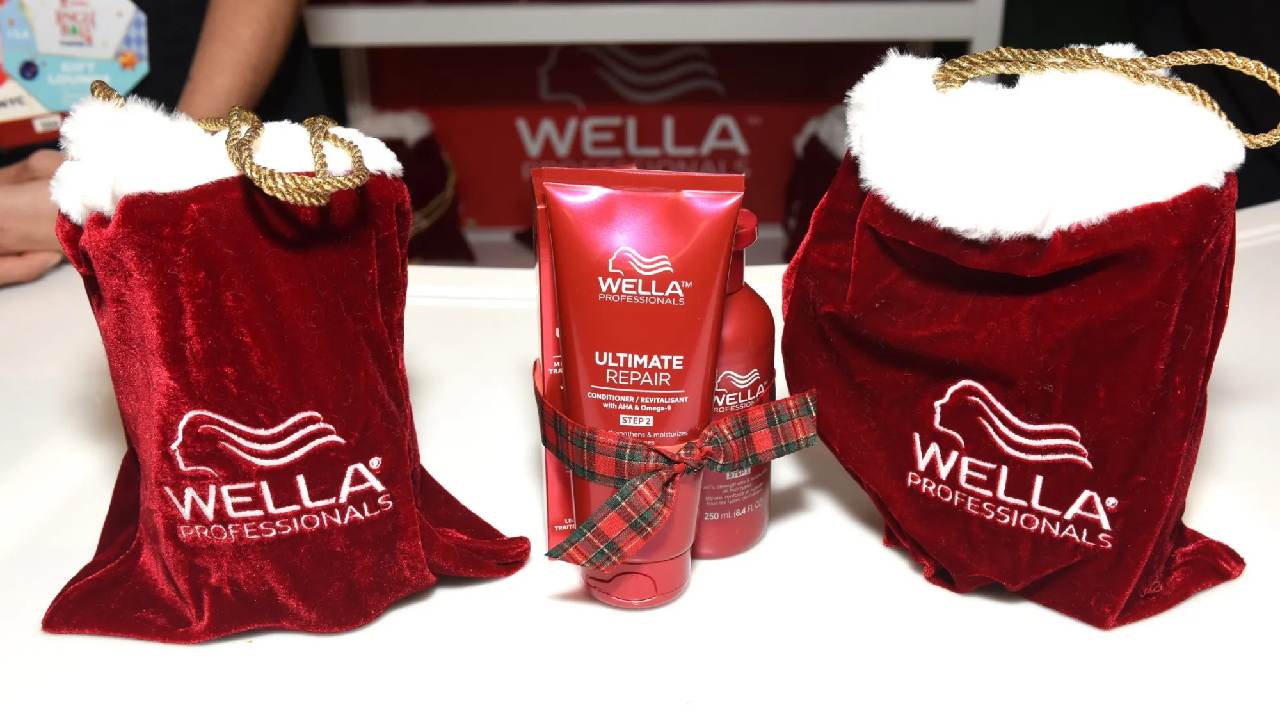
PetitePaulina – Coty decision to sell its remaining 25.8 percent stake in Wella to KKR marks a defining moment in the company’s long-running financial reset. For years, the beauty group has been steadily unwinding complex structures built through past acquisitions. Now, this transaction delivers a clear signal to investors and the market: Coty is prioritizing balance sheet strength over sentiment. The $750 million upfront cash payment, combined with potential future proceeds, reflects a disciplined approach to value realization. Rather than holding onto noncore assets indefinitely, Coty has chosen to crystallize gains and redirect capital where it matters most. This move underscores a broader shift toward financial clarity, showing how patience, timing, and restraint can align to support long-term stability in an industry often driven by rapid expansion.
How the Wella Deal Strengthens Coty’s Balance Sheet
At the heart of this transaction lies Coty’s determination to reduce debt. The company has confirmed that net proceeds, after tax, will be used to pay down both short- and long-term obligations. As a result, Coty expects its net leverage to fall to around three times by the end of 2025. This improvement is not happening in isolation. Strong free cash flow generation, exceeding $350 million in the first half of fiscal 2025–2026, reinforces the momentum. Together, these factors give Coty more breathing room at a time when macroeconomic uncertainty continues to weigh on consumer spending. In practical terms, lower leverage means greater flexibility, lower interest burden, and a more resilient foundation for future strategic decisions.
“Read More : Pat McGrath Labs Faces a Turning Point as Brand Assets Enter the Market”
The Long Road to Fully Exiting Wella
Coty’s exit from Wella did not happen overnight. The journey began in November 2020, when Coty sold its professional division, including Wella, OPI, and Clairol, to KKR in a $2.5 billion deal. Over the years, Coty progressively monetized its stake through partial sales, each step aligned with a clear end goal. From the 9 percent sale in 2021 to the smaller divestment in 2023, the company consistently communicated its intention to fully exit by the end of 2025. Completing that plan on schedule adds credibility to Coty’s leadership. It shows that long-term strategies, when executed with discipline, can deliver tangible outcomes even in volatile markets.
Portfolio Simplification as a Core Business Strategy
Beyond the financial impact, the Wella divestment reflects Coty’s broader effort to simplify its portfolio. Five years ago, the company set out to reduce complexity, sharpen focus, and streamline operations. Letting go of noncore assets has allowed management to concentrate on fewer, more strategic segments. This approach is particularly important in the beauty industry, where brand focus and operational efficiency often determine success. By narrowing its scope, Coty aims to allocate resources more effectively and improve execution across its remaining businesses. The Wella transaction is not an isolated move, but part of a coherent strategy designed to make Coty more agile, transparent, and competitive over the long term.
“Read More : Kenzo Turns Heritage Into Luxury With an Immersive Fall 2026 Experience in Paris”
Strategic Reviews and Pressure Points Ahead
While Coty simplifies one part of its portfolio, it continues to evaluate others. The company is currently reviewing its mass color cosmetics business and its operations in Brazil, segments that together represent significant revenue. Brands like CoverGirl, Rimmel, and Max Factor remain well-known, yet they operate in highly competitive markets. At the same time, Coty faces looming challenges, including the loss of the Gucci fragrance and beauty license in 2028. That transition, coupled with speculation around leadership and stock performance, places added pressure on strategic clarity. In this context, decisive actions like the Wella sale help reassure stakeholders that Coty is actively managing risk rather than reacting to it.
What This Moment Means for Coty’s Future
The sale of Wella to KKR represents more than a financial transaction; it marks a turning point in Coty’s transformation story. By delivering on its commitment to fully divest a noncore asset, Coty reinforces trust with investors and partners. The company now stands leaner, with improved leverage and a clearer strategic focus. While challenges remain, especially in its luxury and consumer beauty segments, Coty has demonstrated its willingness to make difficult, disciplined choices. In an industry driven by image and momentum, this moment highlights the quiet power of consistency, follow-through, and long-term thinking as Coty reshapes its future.