Hair Growth Serums Are Becoming a Go-To Solution for Thicker Hair
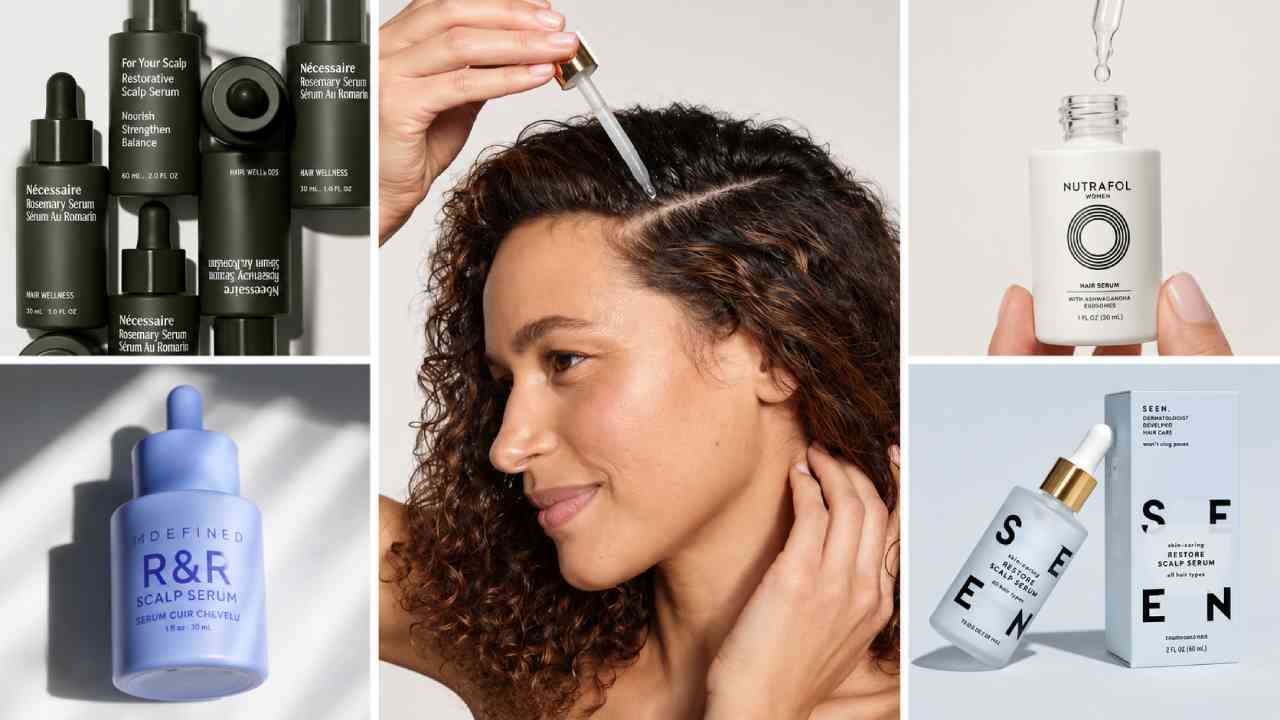
Petite Paulina – Hair Growth Serums are becoming a popular addition to routines for people concerned about thinning or reduced hair density. Instead of focusing only on the visible strands, these formulas usually target the scalp and hair roots. This approach makes sense because healthy-looking hair begins with the environment surrounding each follicle. However, no serum can guarantee dramatic growth for everyone. Hair density depends on genetics, hormones, nutrition, age, stress, and several other factors. Therefore, consumers increasingly look beyond attractive packaging and examine ingredients, consistency, and realistic expectations. Some formulas focus on improving scalp condition, while others contain ingredients intended to support fuller-looking hair. This shift has also changed the way people think about hair care. Shampoo and conditioner remain important, yet scalp-focused treatments now receive much more attention. For anyone experiencing persistent or sudden hair loss, professional assessment remains important because cosmetic products cannot address every underlying cause.
Read Also: Why Your Mascara Keeps Smudging Under Your Eyes
Scalp Care Has Become Central to the Thicker-Hair Conversation
For years, many beauty routines concentrated mainly on lengths and ends. Today, the scalp receives far more attention. After all, hair follicles sit within the scalp, making its condition relevant to healthy hair production. Excess buildup, irritation, and aggressive styling can make a hair-care routine less comfortable or harder to maintain. Therefore, many Hair Growth Serums use lightweight textures designed for direct scalp application. Some absorb quickly and leave little residue, which makes regular use easier. Moreover, scalp care encourages users to think about hair health as an ongoing process rather than a quick cosmetic fix. A comfortable scalp will not automatically produce thicker hair. Nevertheless, maintaining good scalp hygiene and avoiding unnecessary irritation can support an overall hair-care strategy. In my view, this scalp-first mindset is one reason growth serums have moved from a niche product category into everyday beauty routines.
Hair Shedding and Hair Thinning Are Not Exactly the Same
Understanding the difference between shedding and thinning can help people choose products more realistically. Shedding refers to hairs leaving the scalp as part of the natural growth cycle or because shedding temporarily increases. Thinning, meanwhile, describes a noticeable reduction in density, strand diameter, or scalp coverage. The two conditions can overlap, but they do not always have the same cause. For example, temporary stress can contribute to increased shedding. By contrast, hereditary pattern hair loss may gradually reduce follicle output over time. Consequently, one serum cannot solve every form of hair loss. This distinction is important because marketing often places several concerns under the same “hair growth” label. A person noticing sudden clumps of hair may need a different approach from someone experiencing gradual thinning over several years. Therefore, observing the pattern and duration of the change matters. When hair loss becomes significant, unexplained, or persistent, consulting a dermatologist can provide clearer guidance.
Ingredients Matter More Than the Hair Growth Label
A bottle can say “growth serum,” but the ingredient list tells a more useful story. Different formulas use very different approaches. Some contain peptides, caffeine, botanical extracts, rosemary-derived ingredients, or conditioning agents. Others focus mainly on maintaining scalp moisture and reducing dryness. However, evidence behind these ingredients varies considerably. Minoxidil stands apart because it has substantial clinical evidence and regulatory recognition for certain forms of hair loss. Cosmetic botanical ingredients may still offer useful scalp or conditioning benefits, but consumers should avoid assuming that every trending ingredient performs like an established hair-loss treatment. Furthermore, concentration, formulation, application frequency, and individual tolerance can affect the experience. A sophisticated routine does not necessarily require the longest ingredient list. Instead, choosing a product that matches the scalp’s needs and can be used consistently often makes more sense. Clear expectations are especially important when evaluating products that promise visibly thicker hair.
Minoxidil Remains an Important Reference Point
When discussions turn from cosmetic fullness toward actual treatment of certain types of hair loss, minoxidil frequently becomes part of the conversation. It has a stronger evidence base than most cosmetic ingredients marketed for hair growth. However, that does not mean everyone should automatically add it to a routine. Appropriate use depends on the person’s hair-loss pattern, product formulation, medical circumstances, and professional advice when needed. In addition, results require patience and continued use. Some people can also experience scalp irritation or other unwanted effects. Therefore, Hair Growth Serums should not all be placed in the same category simply because their marketing sounds similar. A cosmetic scalp serum may improve hydration or make hair appear healthier, while a treatment containing an established active ingredient serves a different purpose. Understanding that distinction helps consumers avoid unrealistic comparisons. It also encourages a more evidence-aware approach to beauty, which is increasingly valuable as new products enter the market.
Thicker-Looking Hair Does Not Always Mean New Hair Growth
One of the most useful distinctions in hair care involves appearance versus biological growth. A serum can make existing hair look fuller without creating new follicles. Conditioning ingredients may reduce breakage, improve smoothness, or help strands appear healthier. Meanwhile, styling products can create temporary volume around the roots. These effects can make hair look denser, even though the number of actively growing follicles has not changed. Therefore, phrases such as “fuller-looking” and “supports density” deserve careful attention. They do not necessarily mean the product stimulates significant new growth. This difference does not make cosmetic benefits unimportant. For many users, healthier-looking strands and reduced breakage are valuable results. However, expectations should match what the formula can reasonably deliver. In my experience of evaluating beauty claims, the clearest product descriptions separate cosmetic improvement from treatment claims. That transparency makes it easier for consumers to build routines based on realistic goals rather than dramatic before-and-after expectations.
Consistency Matters More Than Constantly Switching Products
Hair grows slowly, which makes patience essential. Someone who changes products every week may never give a routine enough time to show meaningful results. Moreover, hair follows repeating growth, transition, resting, and shedding phases. Visible changes therefore take time. Depending on the concern and treatment, meaningful assessment may require several months rather than several days. This timeline explains why consistency appears so often in expert discussions about hair care. However, consistency does not mean continuing a product that causes persistent irritation. It means following appropriate directions while monitoring how the scalp responds. Taking photographs under similar lighting can also provide a more objective comparison over time. Otherwise, daily mirror checks can make small changes difficult to judge. Hair Growth Serums fit best into routines when users treat them as long-term products rather than overnight transformations. Ultimately, steady habits usually provide more useful information than repeatedly chasing the newest viral formula.
Read Also: Manolo Blahnik Paterno Sandals Are Taking Over Celebrity Street Style
A Lightweight Formula Can Make Daily Use Much Easier
Texture may seem less important than active ingredients, yet it can determine whether someone actually uses a serum consistently. Heavy or oily formulas can leave fine hair looking flat. Meanwhile, sticky products may interfere with styling. For this reason, many modern scalp serums use lightweight, fast-absorbing textures. Ease of application also matters. A precise dropper or narrow applicator can help distribute the product directly across areas of concern. Additionally, fragrance and alcohol content may matter for sensitive scalps. A formula that looks impressive on paper has little value if it feels uncomfortable enough to remain unused. Therefore, practical details deserve attention alongside ingredient claims. Consumers should consider their hair texture, washing schedule, styling habits, and scalp sensitivity before choosing a product. The best routine is not always the most complicated one. Instead, it is usually the routine that combines suitable products with habits a person can maintain comfortably.
Lifestyle Factors Still Matter Alongside Hair Growth Serums
No topical serum operates independently from the rest of the body. Hair production depends on complex biological processes, so nutrition, hormones, illness, medications, stress, and genetics can influence changes in density. For that reason, Hair Growth Serums should be viewed as one possible part of a broader strategy. A balanced diet that provides adequate protein and essential nutrients supports normal body functions, including hair production. However, taking unnecessary supplements is not automatically beneficial and can sometimes create problems. Similarly, reducing excessive heat, chemical damage, and tight hairstyles may help limit avoidable breakage or traction. Sudden or unexplained hair loss deserves particular attention because it can occasionally signal an underlying issue. Therefore, beauty routines work best when they remain connected to overall health rather than replacing it. This balanced perspective may feel less exciting than a miracle-product promise, but it offers consumers a far more useful framework.
Realistic Expectations Make Hair Care More Sustainable
The growing popularity of Hair Growth Serums reflects a larger change in beauty culture. Consumers increasingly want products that combine appearance, scalp care, and long-term maintenance. Yet the strongest routine still begins with realistic expectations. Hair density cannot always return to an earlier level, and different causes of thinning respond differently to treatment. Moreover, photographs online can be affected by lighting, styling, hair fibers, angles, and editing. Progress should therefore be judged carefully. A good serum may support scalp comfort, improve the appearance of existing strands, or complement an evidence-based treatment. Those outcomes can still be worthwhile. However, dramatic promises should never replace careful evaluation. The most sensible approach combines appropriate products, consistent use, gentle hair practices, and professional guidance when necessary. As hair care becomes more sophisticated, that informed mindset may prove more valuable than any single trending bottle.