Simone Rocha Brings Romantic Minimalism to New York City Ballet
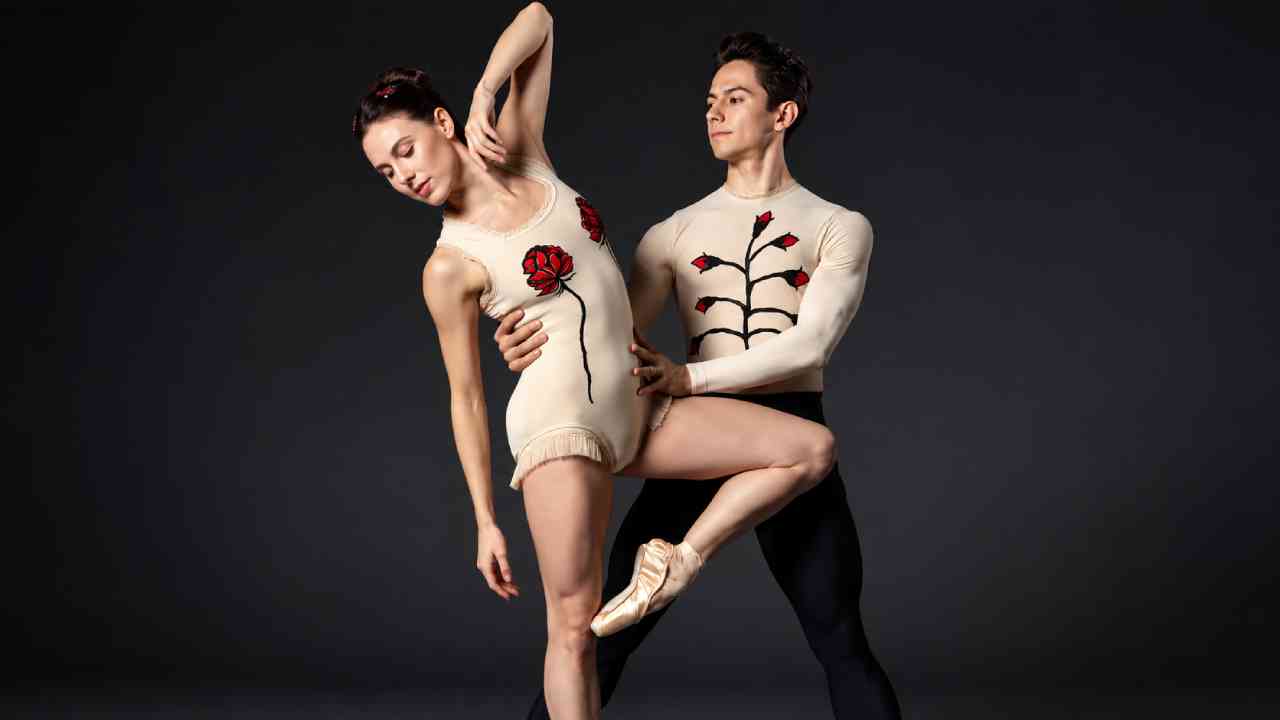
Petite Paulina – Simone Rocha has long built a fashion language around romance, texture, volume, and delicate details. This time, however, her creative world has entered a different kind of stage. The designer created costumes for New York City Ballet, bringing her distinctive aesthetic into an environment where movement matters as much as appearance. Rather than treating the dancers like models on a runway, Rocha approached the project with restraint. Every detail had to respond to the body and support the choreography. As a result, her familiar romantic vocabulary became lighter and more controlled. The collaboration offers an interesting look at what happens when fashion must surrender some visual drama to physical movement. Instead of weakening Rocha’s identity, that limitation makes her design language feel surprisingly fresh. It shows that a recognizable fashion signature does not always require excess. Sometimes, reducing the design can reveal its character even more clearly.
Read Also: Beauty Advent Calendars Take Over the 2026 Holiday Season
A First Ballet Costume Project Opens a Different Creative Door
Although dance and movement have influenced her fashion world before, creating dedicated ballet costumes introduced a different challenge for Simone Rocha. Runway clothing can prioritize silhouette, atmosphere, and visual impact. Ballet costumes must answer another question: can the dancer move freely? That practical requirement changes almost everything. A garment that looks beautiful while standing still may behave very differently during turns, lifts, and rapid movement. Therefore, Rocha had to think beyond the static image. The costume needed to become part of the choreography rather than compete with it. This makes costume design a fascinating extension of fashion. It asks designers to balance artistic identity with physical function. For Rocha, the project became an opportunity to explore familiar ideas through a new discipline. Romance remained present, but it had to work at the speed of dance. That tension between beauty and function gives the collaboration much of its appeal.
Mirror/Sky Calls for Clothing That Moves With the Body
The costumes were created for Mirror/Sky, a pas de deux choreographed by Justin Peck and performed by Tiler Peck and Roman Mejia. Because the piece depends heavily on the relationship between two moving bodies, the clothing could not dominate the performance. Instead, it needed to follow the dancers naturally. Rocha responded with body-conscious costumes that allowed the physical lines of the choreography to remain visible. This choice represents an important shift from the dramatic proportions often associated with her runway collections. Rather than building volume around the body, she allowed the body itself to become the central silhouette. The result feels intimate and intentional. Moreover, it demonstrates how costume design can quietly strengthen choreography without demanding attention for itself. Fashion becomes part of the visual storytelling, yet movement remains the main event. That balance is difficult to achieve, especially for a designer whose work is often celebrated for rich visual detail.
Hand-Painted Roses Keep the Signature Romance Alive
Minimal does not mean anonymous. Rocha preserved her romantic identity through carefully selected details, including hand-painted red roses placed across nude-toned leotards. The floral elements create an immediate emotional contrast against the simplicity of the costumes. Roses already belong naturally within Rocha’s visual world, where femininity often feels both delicate and slightly dramatic. Here, however, they appear with greater restraint. Instead of covering the garments with decoration, the flowers become focal points. This approach gives each detail more visual weight. Small lace accents also reference intimate garments and reinforce the softness of the design. Meanwhile, corset-inspired elements and ribbon-like finishes quietly connect the costumes with Rocha’s broader fashion vocabulary. These details show how a designer can preserve identity without repeating an entire runway formula. The costumes still look unmistakably connected to Simone Rocha, yet they feel created specifically for dance rather than adapted from conventional fashion pieces.
The Traditional Tutu Gets a More Subtle Interpretation
Ballet fashion immediately brings the tutu to mind. However, Rocha avoided turning that familiar symbol into the obvious centerpiece. Instead, she approached the reference with restraint. Tulle appears as a subtle extension of the costume rather than as a large classical skirt. This decision allows the design to acknowledge ballet tradition without becoming trapped by it. More importantly, it reflects a wider shift in contemporary fashion. Designers increasingly reinterpret familiar codes instead of reproducing them literally. A recognizable shape, fabric, or detail can be enough to create an association. Rocha uses that principle effectively here. The audience can sense the language of traditional ballet, but the costume remains modern and personal. This is where romantic minimalism becomes especially visible. The design does not remove romance. Instead, it edits romance until only the most meaningful signals remain. That makes the final look softer, cleaner, and more compatible with the physical demands of contemporary choreography.
Less Decoration Gives Movement More Visual Power
Rocha is often associated with sculptural shapes, layered fabrics, pearls, bows, and elaborate embellishment. Yet ballet presented a reason to step away from those familiar tools. Too much volume could interfere with lifts or hide important movements. Heavy decoration could also distract from the physical conversation between the dancers. Therefore, simplification became part of the creative process. This restraint reveals an important design lesson. Minimalism does not necessarily mean removing personality. Instead, it can mean deciding which elements deserve to remain. In the ballet costumes, the body becomes the architecture while small romantic details provide emotion. Consequently, the dancers create much of the visual drama through motion. A rose changes position as the body turns. Tulle reacts to speed. A fitted silhouette makes every extension more visible. In this context, movement effectively becomes another material. That relationship between garment and body gives the costumes an energy that a static runway presentation could never reproduce.
Romantic Minimalism Feels Timely in Modern Fashion
The collaboration also arrives during a broader fashion moment where romantic elements are being reconsidered. Lace, sheer fabrics, ballet references, bows, and delicate silhouettes continue to appear across contemporary styling. However, the most interesting versions often avoid excessive sweetness. Instead, designers balance softness with simplicity. Rocha’s ballet work fits naturally within that direction. Her costumes retain feminine details while removing much of the visual weight that could make them feel overly decorative. Therefore, the result sits comfortably between minimalism and romantic dressing. This balance can also explain why ballet-inspired fashion remains relevant beyond the stage. Consumers may not wear professional dance costumes, yet elements such as wrap silhouettes, soft tulle, fitted tops, ribbons, and delicate footwear can move easily into everyday wardrobes. Fashion trends often work this way. A cultural reference appears in an artistic setting before smaller details gradually influence mainstream styling.
Fashion and Dance Share More Than Visual Beauty
Fashion and ballet may appear to belong to separate creative industries, but they share several fundamental ideas. Both depend on proportion, line, rhythm, discipline, and the relationship between body and space. A fashion designer shapes how fabric surrounds the body. A choreographer shapes how that body moves through space. When the two disciplines meet successfully, clothing can become part of the movement itself. Rocha’s work with New York City Ballet demonstrates this connection clearly. The costumes are not simply decorative layers placed over dancers. Instead, they respond to choreography and change visually as the performers move. This relationship gives costume design a unique creative challenge. The garment must look compelling from different distances and angles while remaining functional throughout the performance. Therefore, collaboration becomes essential. Designers must listen to dancers and choreographers rather than working only from their own aesthetic instincts. That exchange can produce ideas that would rarely emerge inside a traditional fashion studio.
Read Also: Fall Handbag Trends Take Over Amazon as Designer Deals Heat Up
Restraint Reveals Another Side of Simone Rocha
Perhaps the most interesting element of the project is how little Rocha needed to prove that the costumes belonged to her world. There was no need to cover every surface with familiar signatures. A flower, a ribbon, a touch of lace, or a carefully placed piece of tulle could communicate enough. That confidence reflects creative maturity. Designers with strong identities can sometimes become trapped by the features audiences expect from them. However, evolution often happens when those signatures are challenged. Ballet gave Rocha a reason to reduce, edit, and rethink her usual vocabulary. As a result, the project reveals a quieter side of her aesthetic without abandoning its emotional core. The romance remains visible, but it feels less theatrical. The femininity remains present, but movement gives it strength. For fashion audiences, this creates something more interesting than a straightforward translation of runway clothing onto dancers. It becomes a genuine exchange between two creative disciplines.
New York City Ballet Becomes a Different Kind of Runway
A ballet stage offers fashion something a runway cannot fully reproduce: continuous physical transformation. Clothing bends, stretches, twists, and changes shape with every movement. Under stage lighting, even a small detail can appear different from one second to the next. Rocha’s costumes benefit from this environment because their simplicity leaves room for movement to complete the design. Instead of presenting a fixed silhouette, the dancers continuously redraw it. That creates an almost cinematic relationship between costume and choreography. Moreover, it challenges the idea that memorable fashion must always be visually complicated. On this stage, the drama comes from motion rather than excess decoration. The result suggests an exciting direction for collaborations between designers and performing artists. When fashion stops behaving like a static object, audiences can experience clothing differently. It becomes something alive, responsive, and inseparable from the person wearing it.
Simone Rocha Shows That Quiet Fashion Can Still Feel Powerful
The strongest message from Rocha’s ballet project may be surprisingly simple: restraint can carry as much emotion as extravagance. By reducing volume and limiting decoration, she allowed smaller details to become more meaningful. At the same time, the dancers gained the freedom needed to perform without the costumes competing against their movements. That balance gives the collaboration its distinctive character. Simone Rocha did not abandon her romantic identity for the ballet stage. Instead, she distilled it. Roses, lace, tulle, and corset-inspired touches remain present, but each element has a purpose. The result feels romantic without becoming excessive and minimal without becoming cold. More importantly, it demonstrates how a designer can enter a new creative environment while respecting its needs. Fashion may provide the visual language, but ballet provides the movement that brings that language to life. Together, they create a softer and more dynamic expression of modern romanticism.