Cannes 2026 Sparks Global Debate After Banning Naked Dresses
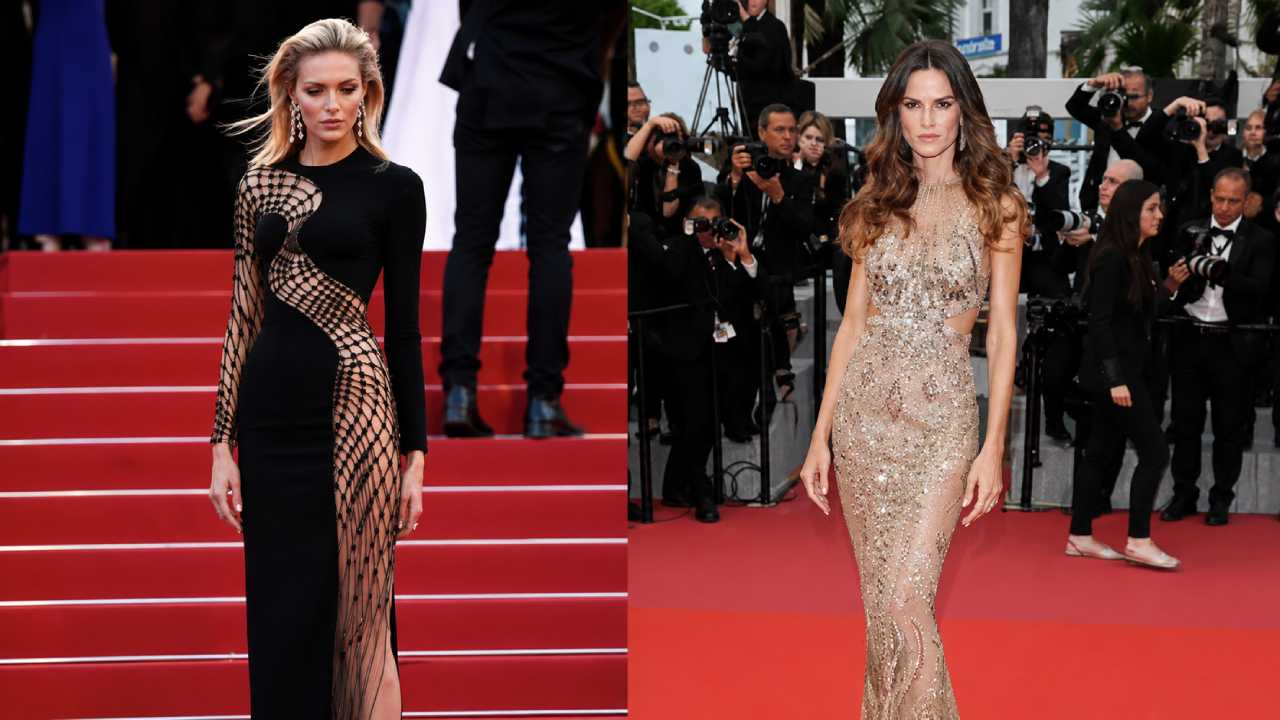
Petite Paulina – Cannes Sparks intense global discussion after the Cannes Sparks Film Festival 2026 officially introduced stricter red carpet fashion rules. For years, Cannes has been known as one of the most glamorous and daring fashion events in the world. Celebrities regularly appeared in dramatic couture pieces, sheer fabrics, and bold “naked dresses” designed to dominate headlines and social media feeds. However, everything changed when organizers announced new restrictions targeting revealing outfits and oversized fashion statements. As expected, the internet reacted immediately. Some fashion lovers praised the decision because they missed classic elegance on the red carpet. Meanwhile, others believed Cannes was limiting artistic freedom and modern self-expression. Because of this controversy, the festival quickly became one of the most talked-about fashion stories of May 2026. More importantly, the debate highlighted how fashion culture is evolving in the age of social media and viral celebrity moments.
Cannes Wants to Bring Back Classic Elegance
According to festival organizers, the new dress code aims to restore sophistication and cinematic focus during the event. In recent years, many critics argued that Cannes became too dependent on shocking fashion moments instead of celebrating films and artistic achievements. Consequently, organizers decided to take stricter control over red carpet appearances. The new policy discourages transparent dresses, extreme cutouts, and oversized gowns with dramatic trains. Additionally, Cannes emphasized the importance of “decency” and practical movement inside the venue. Supporters of the decision believe the festival is trying to protect its timeless luxury image. Moreover, many fashion enthusiasts who admire old Hollywood glamour welcomed the return of more refined styling. They argue that elegance does not always require controversy or exposure. Therefore, the new rules represent an attempt to balance fashion creativity with classic sophistication.
Social Media Turned Naked Dresses Into Viral Culture
Over the last decade, social media dramatically changed the purpose of red carpet fashion. Previously, celebrity outfits were mainly discussed in magazines or television coverage. Today, however, one dress can instantly generate millions of TikTok views, memes, reactions, and viral headlines within hours. Because of this shift, many celebrities and stylists began prioritizing attention-grabbing looks over traditional elegance. Sheer gowns and “naked dresses” became especially popular because they created immediate online engagement. In addition, social media algorithms reward dramatic visuals and controversial fashion choices. As a result, extreme red carpet styling slowly became normalized at major entertainment events. Cannes organizers likely recognized this cultural transformation and decided to push back against it. Consequently, the festival’s decision sparked broader conversations about whether modern fashion has become too dependent on shock value and internet attention.
Fashion Critics Are Deeply Divided Over the Decision
Unsurprisingly, the fashion industry reacted with strong and conflicting opinions. Some critics applauded Cannes for encouraging more tasteful and sophisticated styling. They believe red carpet fashion should enhance celebrity presence without relying entirely on revealing aesthetics. Furthermore, supporters argue that excessive exposure sometimes overshadows craftsmanship and couture design itself. However, many designers and stylists strongly disagree with the restrictions. They believe fashion is a form of artistic expression that should remain free from conservative limitations. According to several industry voices, banning certain styles creates unnecessary boundaries around creativity. Moreover, some critics fear these rules could discourage experimentation and individuality in luxury fashion. Because of these opposing views, the controversy continues dominating conversations across global fashion communities and entertainment media.
Celebrities Are Already Finding Creative Alternatives
Interestingly, many celebrities did not completely abandon bold fashion despite the new restrictions. Instead, stylists quickly adapted by creating outfits that appear daring while technically following the updated rules. Semi-sheer fabrics, illusion detailing, strategic layering, and softer silhouettes became popular solutions during the first days of Cannes 2026. Consequently, the red carpet still featured sensual and modern looks without directly violating official guidelines. Some fashion commentators even described this trend as “smart rebellion” because celebrities continued pushing boundaries creatively. In many ways, these adaptations demonstrate how fashion constantly evolves under restrictions and expectations. Rather than eliminating bold styling completely, Cannes may have simply inspired designers to become more innovative. Therefore, the controversy could unintentionally lead to a new era of sophisticated but daring couture fashion.
Younger Audiences View Fashion Differently Today
Generational differences also play a major role in this debate. Younger audiences, especially Gen Z, often see fashion as a powerful form of personal freedom and identity. Because of this mindset, many young social media users criticized Cannes for appearing outdated or overly conservative. Additionally, younger fashion fans are highly influenced by TikTok aesthetics, celebrity culture, and online individuality. They often celebrate fearless fashion choices because those looks symbolize confidence and modern expression. On the other hand, older fashion audiences tend to appreciate timeless elegance and traditional luxury standards more strongly. Therefore, the Cannes controversy reflects a larger cultural clash between modern digital aesthetics and classic fashion values. This generational tension explains why the discussion became so emotionally charged online.
Read Also: Millennial Mint Named the Most Aesthetic Fashion Color of 2026
Luxury Fashion Brands Are Watching the Situation Closely
Luxury fashion houses are also paying close attention to the Cannes dress code controversy. Red carpet events remain extremely important for brand visibility, celebrity partnerships, and global marketing campaigns. Consequently, restrictions on dramatic styling could influence future couture presentations and celebrity collaborations. Some brands may shift toward more refined elegance to align with Cannes expectations. Meanwhile, others could embrace rebellious aesthetics even more strongly as a reaction against traditional standards. Furthermore, fashion brands understand that controversy itself often generates valuable publicity. Because of this, many designers may intentionally create outfits that push boundaries while remaining technically acceptable. Ultimately, Cannes 2026 could influence broader fashion trends far beyond the festival itself.
The Debate Reflects Bigger Changes in Celebrity Culture
Beyond fashion alone, the controversy also reveals larger changes happening inside celebrity culture and entertainment media. Today, public attention moves incredibly fast because audiences constantly search for the next viral moment online. Consequently, celebrities often feel pressure to create unforgettable visual statements during major events. Red carpet fashion is no longer just about style. Instead, it has become part of digital marketing, personal branding, and internet engagement. Cannes likely recognized how dramatically this culture changed over time. Therefore, the festival’s restrictions may represent an effort to slow down the growing obsession with viral controversy. Whether audiences agree or disagree, the debate highlights how deeply fashion, media, and internet culture are now connected.
Cannes 2026 May Change Red Carpet Fashion Forever
As the controversy continues growing, many fashion experts believe Cannes 2026 could permanently influence future red carpet culture. Other major events may eventually introduce similar restrictions if they believe fashion has become too dependent on extreme visuals. At the same time, stylists and designers will likely continue searching for creative ways to stand out without crossing official boundaries. Because of this ongoing tension, red carpet fashion may enter a completely new phase focused on subtle boldness instead of pure shock value. Interestingly, the Cannes controversy proves that fashion remains one of the most emotionally powerful forms of cultural expression. People are not simply debating dresses. Instead, they are debating creativity, freedom, elegance, identity, and modern celebrity culture itself. Therefore, Cannes Sparks became far more than a temporary fashion headline. It evolved into a global conversation about the future of style in the digital age.