Is Pieter Mulier the Next Creative Force Behind Versace?
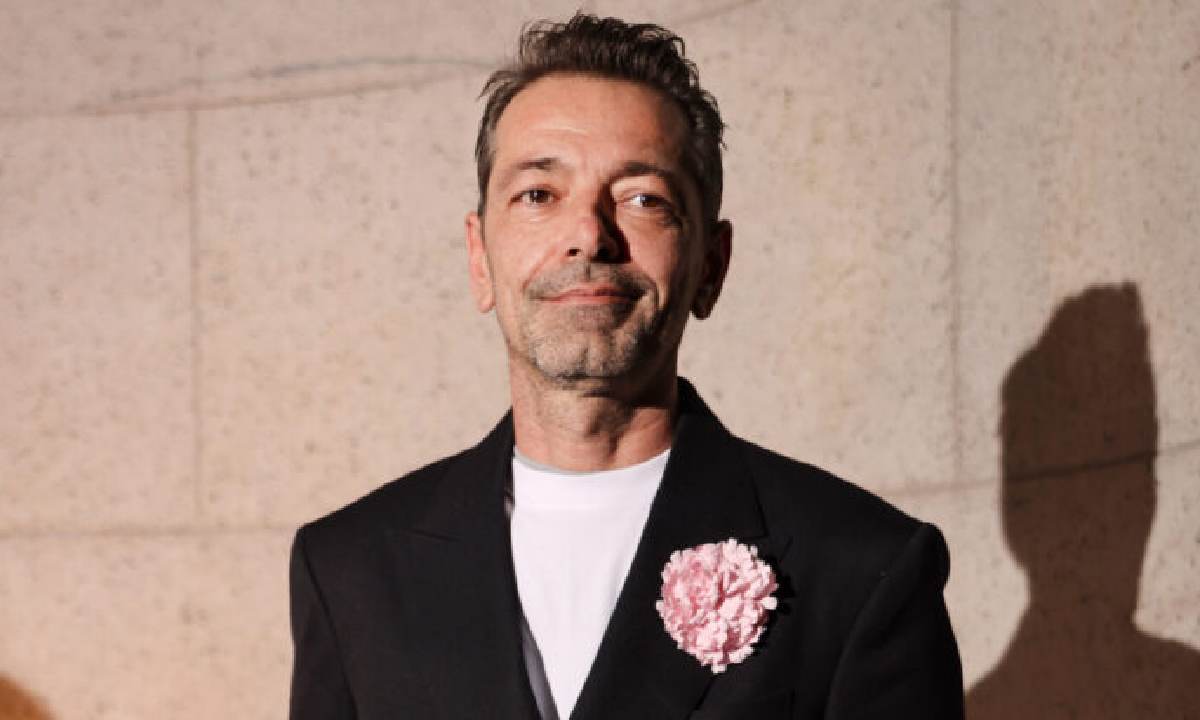
PetitePaulina – In Milan’s tightly knit fashion circles, whispers travel faster than runway lights dim. Since Dario Vitale’s departure from Versace, the question of who would steer the storied Italian house forward has fueled endless speculation. Now, those whispers are growing louder. Sources close to the matter suggest Pieter Mulier, the creative director who has revitalized Maison Azzedine Alaïa, stands poised to take the helm. For many insiders, this possibility feels less like a surprise and more like a carefully anticipated turn. Versace, after all, is at a crossroads balancing heritage with reinvention. The idea of Mulier stepping in has stirred both excitement and caution, especially as negotiations remain delicate. While no contract has been signed, the fashion world senses a shift approaching, one that could redefine Versace’s creative future while honoring its legendary past.
Why Pieter Mulier Fits the Versace Narrative
Pieter Mulier’s name resonates deeply within the industry, not for flamboyant theatrics but for disciplined vision and architectural precision. His work at Alaïa since 2021 has demonstrated a rare ability to respect a brand’s DNA while making it relevant for a new generation. That balance is precisely what Versace appears to seek. Under Lorenzo Bertelli’s leadership, the brand aims to reconnect with the sensual strength and sculptural confidence championed by Gianni and Donatella Versace. Mulier’s design language bold yet controlled mirrors those values. Insiders believe Prada Group, Versace’s new owner, identified him early as the ideal creative mind to lead without dismantling the house’s identity. In an era where radical rebranding often risks alienation, Mulier represents continuity with evolution, a quality increasingly prized in luxury fashion.
“Read More : From School Gates to Sephora Shelves: Molly Sims’ Yse Beauty Momentum”
The Alaïa Dilemma and Richemont’s Reluctance
While Versace may be ready, Alaïa is not eager to let go. Richemont sources indicate strong resistance to Mulier’s exit, and for good reason. Since his arrival, Alaïa has more than doubled in size, becoming one of Richemont’s standout growth drivers. Mulier injected new energy through sculptural silhouettes, architectural tailoring, and cult accessories like the Le Teckel bag and ballerina flats. He attracted younger audiences without sacrificing loyal clientele, a feat few designers manage gracefully. Negotiations around his departure remain ongoing, underscoring how valuable he has become to the house. This tension adds drama to the unfolding story. If Mulier does leave, it will mark the end of a transformative chapter for Alaïa and the beginning of an equally significant one for Versace.
Raf Simons’ Invisible Thread
Behind Pieter Mulier’s rise lies a long-standing creative partnership with Raf Simons, a connection that subtly shapes this potential transition. Mulier built his career alongside Simons at Jil Sander, Christian Dior, and Calvin Klein, often acting as the executor of Simons’ vision across menswear, womenswear, and accessories. Their shared design philosophy clean lines, emotional restraint, and conceptual clarity has influenced modern luxury profoundly. With Simons now co-creative director at Prada, the alignment feels almost poetic. Industry observers suggest this bond may have reinforced Prada Group’s confidence in Mulier. It is less about favoritism and more about shared language. In fashion, trust often grows from years of creative dialogue, and this relationship could quietly shape Versace’s next era.
Versace’s Strategic Reset Under New Leadership
Versace today is navigating a strategic reset. Lorenzo Bertelli, recently appointed executive chairman, has signaled a desire to steer the brand closer to its roots. Rather than pushing Vitale’s more experimental direction, Bertelli reportedly seeks a return to the bold sensuality synonymous with Gianni and Donatella. Conversations with Donatella Versace and her daughter Allegra reflect a shared goal: guiding a family legacy into the future without erasing its soul. This vision explains why Versace is stepping back from traditional fashion calendars, skipping Milan Men’s Fashion Week and potentially forgoing a women’s show in February. Such pauses often precede reinvention. If Mulier arrives, he would inherit not chaos, but a carefully prepared canvas.
“Read More : Urban Decay’s Bold Move: New Mascara, New Muse, and a TikTok Shop Debut”
A Shared Legacy of Sculptural Power
There is an almost poetic symmetry in the possible union of Mulier and Versace. Gianni Versace and Azzedine Alaïa were contemporaries who reshaped fashion in the ’80s and ’90s, celebrating the female form through sensual, sculptural design. Supermodels like Naomi Campbell embodied their vision, bridging strength and beauty. Decades later, Mulier Alaïa’s modern torchbearer stands on the brink of leading Versace, another house built on similar ideals. Symbolically, Campbell presenting Mulier with the International Designer of the Year Award feels like a passing of the torch. Fashion thrives on such moments, where history, chance, and talent converge. If confirmed, this move would honor the past while signaling a confident future.
What This Could Mean for Versace’s Future
Should Pieter Mulier officially join Versace, the impact would extend far beyond runway aesthetics. His focus on craftsmanship, timelessness, and architectural form could stabilize the brand during a pivotal transition under Prada Group ownership. Versace would not become Alaïa but it might rediscover a quieter strength beneath its signature boldness. For retailers and loyal customers alike, this promises clarity rather than shock. In an industry often driven by spectacle, such restraint can feel refreshing. While nothing is final yet, the anticipation itself reveals how much is at stake. Fashion, at its best, evolves through thoughtful choices. And in this unfolding story, Mulier stands as a figure capable of honoring legacy while shaping what comes next.