Summer Meets Fall: The Transitional Outfits Defining 2026
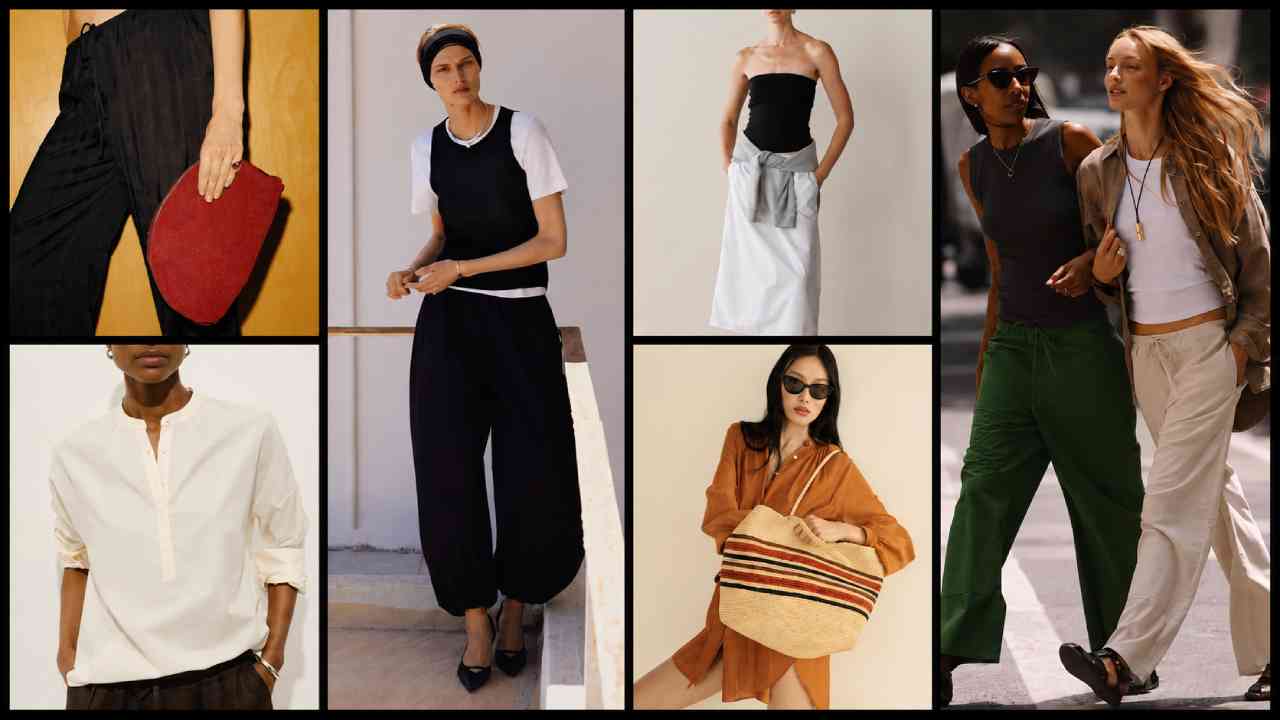
Petite Paulina – The final weeks of summer create one of fashion’s most interesting style moments. Warm afternoons still call for lightweight pieces, while cooler mornings make an extra layer feel essential. In 2026, Summer Meets Fall through outfits that mix both seasons instead of choosing one. Think breezy skirts with cashmere, denim shorts under soft fleece, or sandals paired with a structured blazer. This approach feels practical, but it also creates more freedom to experiment. Rather than replacing an entire summer wardrobe, small changes can carry familiar pieces into the next season. Richer textures, deeper neutrals, and clever layering provide an autumn mood without unnecessary weight. As a result, transitional dressing becomes less about following strict seasonal rules and more about building comfortable outfits that respond naturally to changing weather.
Read Also: Best Electric Razors for Women Make Shaving Easier in 2026
Light Layers Create the Perfect Starting Point
Layering remains one of the easiest ways to handle unpredictable temperatures. However, heavy coats can feel unnecessary when summer warmth still lingers. Instead, lightweight blazers, cotton jackets, overshirts, and thin cardigans provide enough coverage without overwhelming an outfit. A simple tank top can sit beneath a relaxed blazer, while a summer dress works well with a soft knit over the shoulders. Moreover, removable layers allow an outfit to adapt throughout the day. This flexibility makes transitional dressing practical for commuting, travel, and long days outside. In 2026, the strongest combinations also avoid excessive bulk. Clean silhouettes keep several layers looking intentional rather than complicated. Therefore, the goal is not to wear more clothing. It is to choose pieces that work together and can easily respond when the temperature changes.
Scarves Give Summer Basics an Autumn Mood
Sometimes one accessory can change the entire direction of an outfit. A patterned scarf does exactly that. During late summer, a basic T-shirt and jeans can still feel completely appropriate. Add a lightweight scarf, however, and the look immediately carries more autumn character. Silk, cotton, and thin wool blends work particularly well because they provide texture without too much warmth. Additionally, scarves introduce color and pattern in a controlled way. Deep burgundy, olive, chocolate, navy, and warm cream can gently shift a summer palette toward fall. The accessory also works with blazers, denim jackets, and simple button-down shirts. Most importantly, it can be removed within seconds if the afternoon becomes warmer. When Summer Meets Fall, small styling details like this often make a greater difference than buying an entirely new seasonal wardrobe.
Denim Shorts Stay Longer Than Expected
Denim shorts do not need to disappear as soon as August begins to feel cooler. Instead, transitional styling gives this summer staple a new context. Pairing denim shorts with a quarter-zip, lightweight fleece, or oversized sweatshirt creates an interesting balance between exposed legs and warmer layers above. Sneakers can reinforce the sporty mood, while loafers provide a more polished alternative. Meanwhile, a structured bag prevents the outfit from looking too casual. This formula works especially well on days when mornings feel cool but afternoon temperatures rise quickly. The contrast also reflects a broader shift toward flexible seasonal wardrobes. Fashion no longer needs a strict date when summer pieces suddenly become inappropriate. Instead, styling determines how long an item remains useful. In practical terms, extending the life of existing pieces can also make a wardrobe feel more versatile.
Lightweight Cashmere Moves Into the Spotlight
Cashmere may sound like a winter fabric, yet lightweight versions can work beautifully during transitional weather. A fine cashmere sweater provides gentle warmth while maintaining a soft, refined silhouette. It can pair with cotton skirts, relaxed trousers, or even summer shorts. For cooler evenings, adding a lightweight canvas jacket creates another layer without moving fully into winter territory. Neutral shades such as oatmeal, soft gray, navy, and camel make these combinations particularly easy to style. However, brighter colors can keep the outfit connected to summer. The appeal comes from contrast. A soft sweater beside a breezy skirt creates visual depth while serving a practical purpose. Therefore, lightweight knitwear becomes an important bridge when Summer Meets Fall. It provides warmth where needed while allowing lighter summer fabrics to remain part of the wardrobe for several more weeks.
Suede and Corduroy Introduce Richer Texture
Texture can signal a seasonal change even before temperatures drop significantly. Suede and corduroy are especially effective because both carry a strong autumn association. In 2026, however, these materials feel lighter when paired with summer basics. A suede jacket over a white tank top creates contrast without requiring complicated styling. Likewise, lightweight corduroy trousers can work with sleeveless tops and simple flats. Earthy shades such as tobacco, tan, moss, and chocolate enhance the fall mood. Yet the rest of the outfit should remain relatively simple. Too many heavy textures can make transitional dressing feel premature. Instead, one autumn material often provides enough visual weight. This approach also makes familiar basics feel fresh again. Rather than changing every item, introducing one richer fabric can transform an outfit and gently signal that a new season is approaching.
Preppy Dressing Gets a Relaxed Update
Preppy style continues to evolve beyond traditional uniforms and rigid combinations. This season, khaki trousers, braided leather belts, button-down shirts, and loafers appear alongside relaxed bohemian pieces. A loose blouse can soften tailored pants, while a sweatshirt draped over the shoulders adds an effortless layer. Furthermore, accessories help prevent the look from feeling overly formal. Woven bags, simple jewelry, and relaxed footwear introduce personality without distracting from the clean foundation. This updated approach works particularly well during transitional weather because many preppy staples naturally support layering. Shirts can be worn alone during warm afternoons and covered with knitwear later in the day. Meanwhile, neutral colors make pieces easier to combine. The result feels polished but not overly planned. For anyone building a versatile wardrobe, this balance between structure and ease offers plenty of repeat-wear potential.
Read Also: Havaianas Reinvents Its Iconic Flip-Flops With Kitten Heels
Pajama-Inspired Pieces Step Into Daytime Style
Relaxed silhouettes remain an interesting part of 2026 fashion, and pajama-inspired dressing continues moving beyond the bedroom. Flowing trousers, robe-like layers, and oversized shirts can create sophisticated daytime outfits when paired with structured accessories. For example, loose balloon trousers become more polished with loafers and a crisp shirt. A lightweight robe-style layer can then add movement without feeling heavy. The key lies in contrast. If every piece looks extremely relaxed, the outfit may lose definition. Therefore, structured shoes, a leather bag, or clean jewelry can provide balance. Fabrics also matter. Cotton, linen blends, and refined woven materials tend to translate more easily into everyday dressing. When styled carefully, these pieces create an effortless look that works particularly well between seasons. They offer enough coverage for cooler weather while remaining breathable during lingering summer heat.
Leather Brings a Stronger Fall Direction
As temperatures gradually drop, leather provides a clearer step toward autumn. However, transitional outfits do not require a full leather look. A straight leather skirt, structured jacket, or simple leather accessory can provide enough seasonal weight. Pairing a leather skirt with a lightweight shirt creates a useful contrast between textures. Similarly, slingback shoes can maintain a lighter feeling than boots while still looking polished. Deep brown is especially relevant because it offers warmth without the severity of black. Burgundy and dark olive can achieve a similar effect. Meanwhile, lighter tops prevent the outfit from becoming visually heavy. This gradual approach makes sense when Summer Meets Fall because the weather itself is still changing. Instead of jumping directly into coats and boots, one leather element can introduce autumn energy while keeping the rest of the outfit suitable for warmer conditions.
Footwear Makes the Seasonal Shift Easier
Shoes can transform an outfit faster than almost any other element. During early transitional weather, sandals may still work during warm afternoons. However, ballet flats, loafers, slingbacks, and streamlined sneakers offer an easy next step toward fall. These styles provide more coverage without the weight of ankle boots. Structured ballet flats look particularly effective with corduroy trousers or flowing skirts. Meanwhile, loafers can sharpen relaxed pants and oversized shirts. Sneakers remain useful when comfort matters most, especially with denim and sporty layers. The transition does not need to happen all at once. In fact, keeping a summer dress while switching sandals for loafers can be enough to change its seasonal character. This small adjustment demonstrates the flexibility at the heart of transitional dressing. Sometimes the easiest wardrobe update begins from the ground up.
Summer Meets Fall Through Smarter Wardrobe Choices
The strongest transitional outfits of 2026 do not depend on buying an entirely new wardrobe. Instead, they rely on thoughtful combinations of pieces that already serve different seasons. A summer skirt gains new life with cashmere. Denim shorts feel different beneath a fleece pullover. Meanwhile, suede, leather, scarves, and loafers introduce richer autumn details one piece at a time. This approach feels both creative and practical because it extends the usefulness of familiar clothing. More importantly, it reflects how people actually experience seasonal change. Weather rarely switches from summer to fall overnight. Clothing does not need to either. When Summer Meets Fall, the most successful outfits embrace that uncertainty. Light layers, contrasting textures, and flexible footwear create a wardrobe that moves naturally between warm afternoons and cooler evenings while still feeling polished, modern, and personal.