Luxury Fashion’s Great Creative Reset in a Time of Uncertainty
PetitePaulina – The past year marked one of the most dramatic periods of creative change in modern Fashion history. From Chanel and Dior to Gucci, Balenciaga, and Versace, Europe’s biggest luxury houses reshuffled their creative leadership at a dizzying pace. These changes unfolded against a sluggish luxury market, where high prices and cautious consumers forced brands to rethink their direction. Some departures came suddenly, others after long, celebrated tenures. Designers who shaped entire brand identities stepped aside, making room for new visions and fresh narratives. The sheer volume of appointments turned creative director news into headline material, dominating fashion conversations worldwide. This moment feels less like routine succession and more like a collective reset, as houses search for relevance, emotional connection, and renewed desire in an increasingly skeptical market.
Sudden Exits and the End of Long Eras
Not all transitions unfolded gently. Some were abrupt and emotionally charged, unsettling even seasoned industry observers. Versace’s recruitment of Dario Vitale ended after just one show, while Balmain parted ways with Olivier Rousteing following a highly visible 14-year tenure during its 80th anniversary. Even more symbolic was the departure of Véronique Nichanian, who shaped Hermès menswear for 37 years and became one of fashion’s longest-serving creative leaders. These exits signaled the end of eras defined by consistency and craftsmanship. For many brands, loyalty to legacy collided with urgency for change. The emotional weight of these departures resonated deeply within fashion circles, reminding the industry that creativity, no matter how revered, remains vulnerable to shifting commercial realities and evolving consumer expectations.
“Read More : Jung Kook and Chanel: When Modern Pop Meets Timeless Beauty”
Musical Chairs at the Top Luxury Houses
Few moves illustrated the industry’s restlessness better than the domino effect among top houses. Jonathan Anderson’s transition from Loewe to Dior symbolized ambition on a grand scale. He replaced Maria Grazia Chiuri and Kim Jones, who themselves had defined Dior’s womenswear and menswear for nearly a decade. Chiuri then moved to Fendi, filling the space left by Jones. These interconnected appointments turned creative leadership into a high-stakes game of musical chairs. Each move carried enormous expectations, not just creatively but commercially. Brands hoped that familiar yet distinctive names could inject momentum without alienating loyal clients. This reshuffling reflected a deeper truth: luxury houses increasingly rely on creative directors as strategic assets, not just artistic voices.
Runway Debuts That Electrified Fashion Month
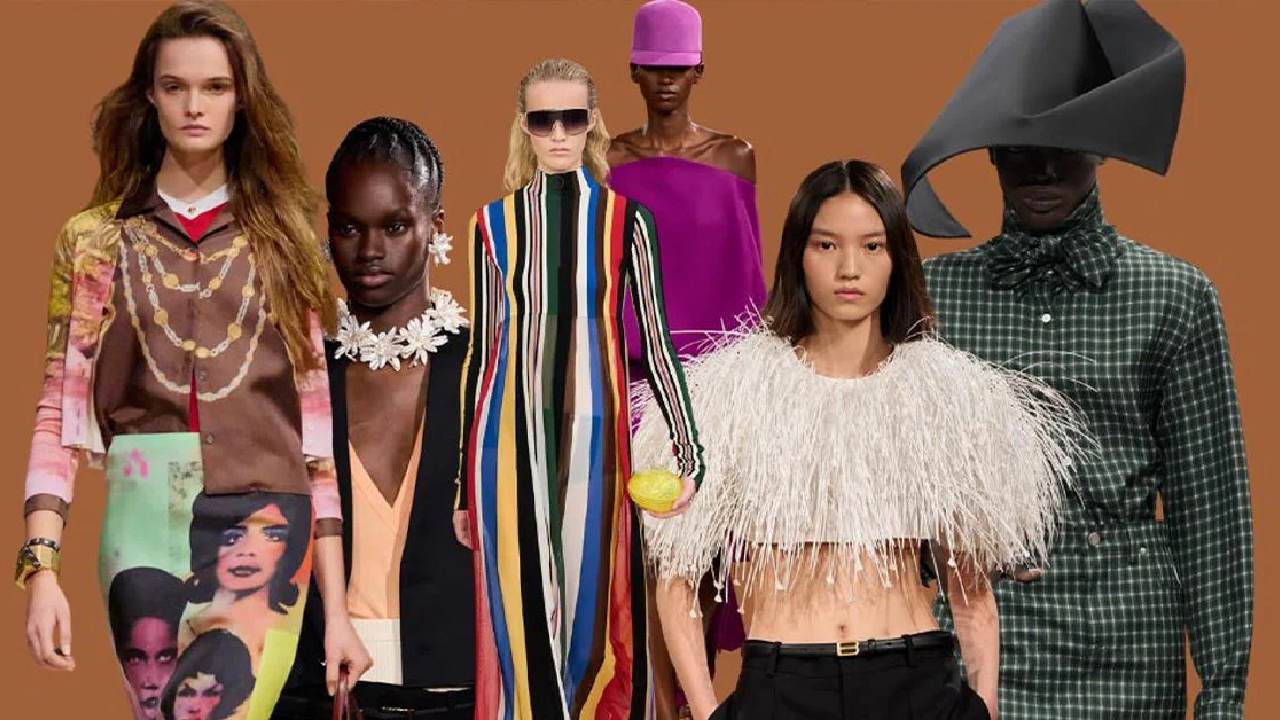
The impact of these changes exploded during the spring 2026 fashion season. Paris Fashion Week, in particular, felt charged with anticipation as eight brands unveiled women’s ready-to-wear collections under new creative leadership. In total, 15 designer debuts drew unprecedented attention, making runway shows cultural events beyond industry insiders. Reviews from press and retailers leaned largely positive, praising restraint, craftsmanship, and respect for house codes. Yet beneath the applause lingered a shared question: would these collections translate into commercial success? Fashion weeks became testing grounds not only for aesthetics but for brand survival strategies. The energy felt electric, but the real verdict awaited the moment designs reached store floors.
“Read More : Berlin’s Achtung Magazine Turns the Page Toward Fashion Film”
Luxury’s Crisis of Meaning and Direction
Analysts and industry thinkers framed these changes as responses to a deeper crisis. Luca Solca of Bernstein described the moment as a “Darwinian selection,” where changing designers does not guarantee success. Achim Berg of FashionSights went further, arguing that luxury faces structural issues, from overpricing to overexpansion. Streetwear’s momentum faded, while quiet luxury failed to spark broad cultural excitement. Many new collections leaned heavily on archives and heritage, choosing safety over risk. While understandable, Berg warned this approach may not be enough. The industry, he argued, still lacks a unifying narrative powerful enough to reignite collective desire. Creativity alone cannot overcome weak consumer sentiment and economic pressure.
Media Frenzy and the Power of Creative Names
Despite uncertainty, creative director appointments fueled massive media impact. Launchmetrics data showed that Demna’s move to Gucci generated over $15 million in media impact value in a single week. Matthieu Blazy’s appointment at Chanel and Anderson’s arrival at Dior followed closely. Celebrity creatives amplified the frenzy, with Jaden Smith and A$AP Rocky sending social media into overdrive. Fashion became a spectacle of personalities, memes, and speculation. Even high-street brands joined the movement, appointing their first creative directors to strengthen storytelling and brand identity. This obsession underscored a defining belief of the moment: in an overcrowded, cautious market, creativity and the people behind it remains luxury’s most powerful currency.