Brigitte Bardot: The Unrepeatable Icon Who Redefined Beauty, Cinema, and Freedom
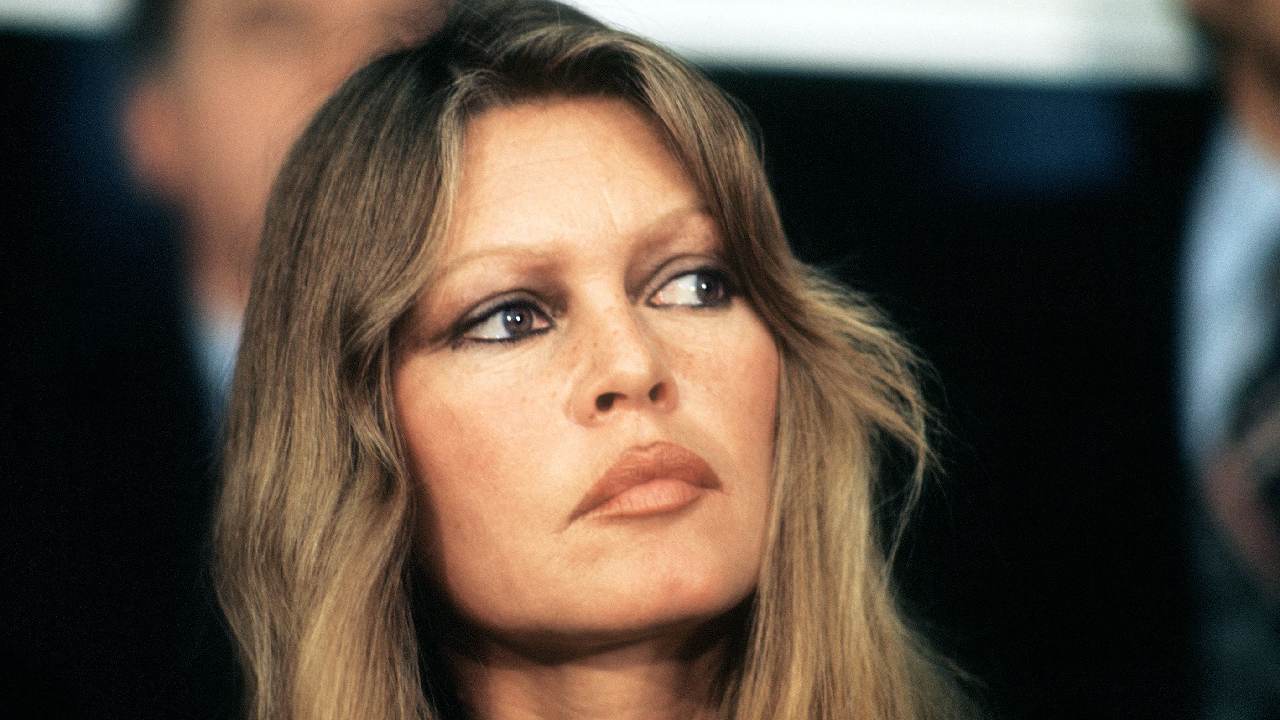
PetitePaulina – In the late 1950s and 1960s, Brigitte Bardot did more than dominate movie screens she transformed how femininity was portrayed in global cinema. Unlike the polished Hollywood glamour of her era, Bardot embodied a raw, instinctive sensuality that felt spontaneous and deeply human. Her performances were never overly calculated; they radiated emotional honesty, often blurring the line between character and self. Films like And God Created Woman introduced a new cinematic woman independent, imperfect, and unapologetically alive. Audiences didn’t just watch Bardot; they felt her presence. She challenged traditional moral expectations, especially around female desire, and did so without speeches or manifestos. Her power lay in instinct, not strategy. In doing so, Bardot became a cultural mirror of a generation questioning authority, tradition, and restraint, making her far more than a beautiful actress she became a symbol of change.
Fashion Without Effort, Style Without Permission
Brigitte Bardot’s influence on fashion was revolutionary precisely because it appeared effortless. She didn’t follow trends; she lived in them naturally. Her off-shoulder tops, tousled hair, ballet flats, and gingham wedding dress created a visual language that young women across Europe and America immediately embraced. Bardot made comfort fashionable and imperfection desirable. Designers admired her instinctive taste, even when she rejected couture expectations. Her style wasn’t about status or labels but about freedom of movement and authenticity. Whether barefoot in Saint-Tropez or dressed simply in a sweater and sailor pants, she embodied what later became known as French girl chic. Bardot proved that true style doesn’t need explanation it resonates because it feels honest. Decades later, fashion houses still reference her look, confirming that her aesthetic wasn’t seasonal, but timeless.
“Read More : Pupa Milano’s Playful Legacy and Global Ambitions at 50”
A Private World Behind the Global Spotlight
Despite her worldwide fame, Brigitte Bardot always longed for privacy, warmth, and simplicity. Her Paris home reflected this contradiction an intimate, almost childlike space filled with books, music, animals, and personal memories. Away from red carpets, Bardot lived instinctively, rearranging furniture, playing guitar, reading philosophy, and drinking endless cups of tea. She rejected rigid schedules and societal expectations, choosing instead a life guided by emotion rather than discipline. Fame, for her, was both a gift and a cage. She often spoke candidly about feeling watched, followed, and misunderstood. Yet within her personal sanctuary, she reclaimed control. This tension between public icon and private individual humanized her in ways few celebrities allow, reinforcing why Bardot felt real to the world she never pretended to be anything else.
Instinct Over Discipline: Bardot’s Creative Truth
Brigitte Bardot trusted instinct above all else, especially in her work. Directors often described her as untrainable yet brilliant a performer who resisted control but delivered authenticity. During the filming of Viva Maria, she famously challenged costumes, direction, and expectations, refusing anything that felt false to her nature. While this caused friction, it also produced performances filled with life and spontaneity. Bardot was not an instrument; she was a force. She believed that self-knowledge outweighed external authority, a philosophy that shaped both her art and her life. This instinct-driven approach set her apart in an industry built on obedience and precision. Her honesty, sometimes chaotic, made her unforgettable. Bardot didn’t aim to be perfect she aimed to be true, and that truth resonated across generations.
“Read More : Maison Jejia Turns a Former Home into a Living Headquarters for Its Next Chapter”
Love for Animals and a Life of Conviction
Long before animal rights became a global movement, Brigitte Bardot turned her back on cinema to dedicate her life to protecting animals. Her passion was not performative; it was deeply personal. From dogs and cats to donkeys and goats, Bardot surrounded herself with rescued animals, building shelters and homes with care and devotion. This transition shocked many, but for Bardot, it was a return to purpose. She found clarity in defending the voiceless, channeling her fame into activism rather than applause. Though her political views sparked controversy, her commitment to animal welfare remained unwavering. Bardot’s activism redefined what it meant to use celebrity responsibly. She proved that legacy isn’t measured only by applause, but by the lives one chooses to protect.
Fame, Freedom, and the Cost of Being Brigitte Bardot
Brigitte Bardot’s life tells a complex story about fame and freedom. While admired by millions, she often felt imprisoned by constant attention and public judgment. Simple acts shopping, walking, dancing became impossible without scrutiny. Yet Bardot never surrendered her identity to public demand. She withdrew when acting no longer felt true, choosing solitude over spectacle. Her refusal to conform made her misunderstood, but also unbreakable. Bardot lived honestly, even when honesty came at a cost. She remained spontaneous, emotional, and fiercely independent to the end. In a world that constantly tried to define her, Bardot defined herself. That unwavering authenticity is what makes her legacy endure not just as a beauty icon, but as a woman who lived entirely on her own terms.