Louis Vuitton Monogram at 130: A Timeless Canvas That Keeps Reinventing Itself
PetitePaulina – The story of the Louis Vuitton Monogram begins not with extravagance, but with protection and identity. In 1896, Georges Vuitton deposited a simple square of brown-and-gold canvas at the Paris Archives, aiming to safeguard his father’s trunks from imitation. At the time, counterfeiting was already a concern, and the Monogram was designed as something unmistakable. Over time, that practical solution evolved into a cultural symbol. The interlocking LV initials and floral motifs quietly traveled the world, carried by explorers, artists, and everyday clients alike. As decades passed, the canvas gained meaning beyond function. It came to represent heritage, continuity, and trust. Today, Louis Vuitton’s chairman Pietro Beccari calls it the brand’s “holy grail,” a reminder that true luxury often starts with purpose before becoming legend.
Marking 130 Years With a Global Celebration
To honor the Monogram’s 130th anniversary, Louis Vuitton is orchestrating a year-long global celebration throughout 2026. Starting January 1, every Vuitton window worldwide will display reproductions of the original Monogram patent, complete with sealing wax and historic wooden stamps. Inside boutiques, special-edition anniversary collections will take center stage, supported by campaigns, pop-ups, and immersive storytelling. According to Beccari, this moment is about reconnecting people with meaning. Modern consumers, he notes, seek more than beauty they want to understand craftsmanship and legacy. Through exhibitions, animations, and surprises, Vuitton invites new generations to discover why the Monogram endures. The anniversary is not about nostalgia alone, but about reaffirming relevance, proving that a 130-year-old design can still feel alive, modern, and deeply personal.
“Read More : When Beauty Meets Play: How Toy Culture Is Reshaping the Future of Beauty Brands”
Icons That Built the Monogram Mythology
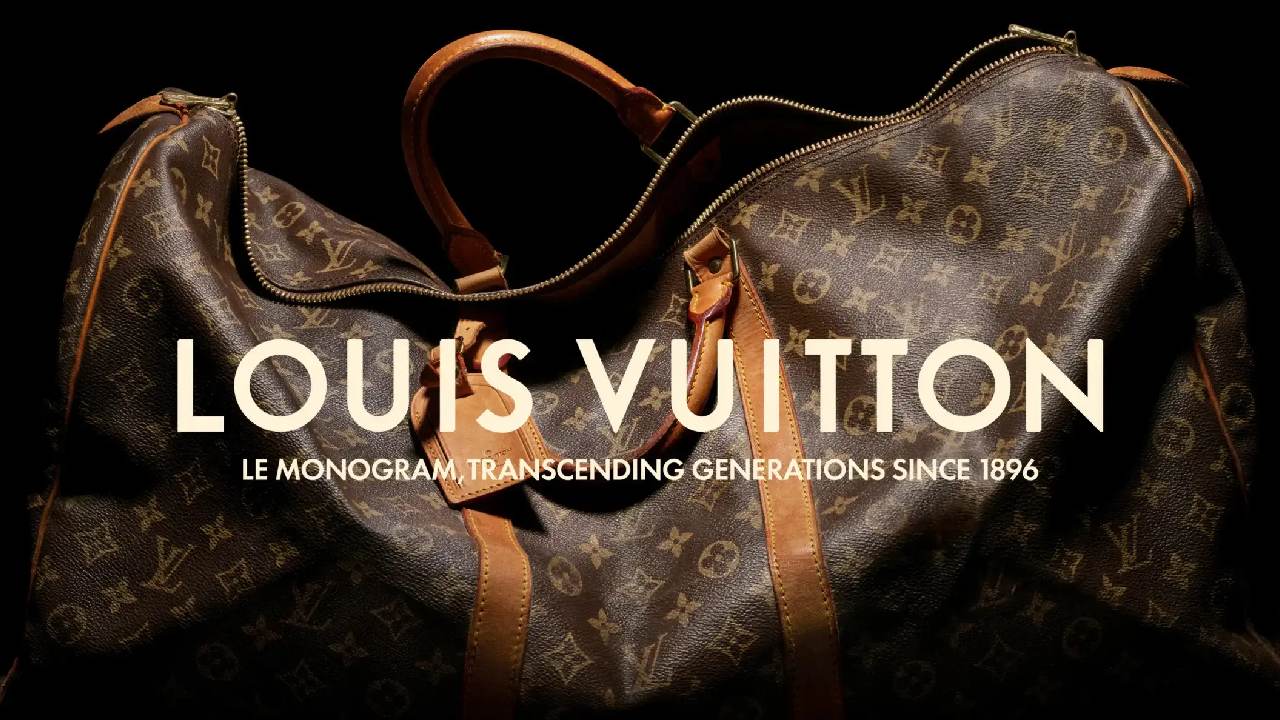
Few fashion symbols are as instantly recognizable as the Louis Vuitton Monogram, largely thanks to the iconic bags that carry it. Styles like the Speedy and Keepall, both introduced in 1930, became companions for travel and daily life. The Noé, designed in 1932 to transport Champagne bottles, blended utility with elegance. Later came the Alma, inspired by Parisian architecture, and the Neverfull, whose cult status rests on its surprising strength and versatility. Each design shares a common thread: durability paired with refinement. Beccari describes these names as “mythical,” all born wearing the same canvas. Over time, these bags absorbed the stories of their owners, developing patina and character. In doing so, they transformed from accessories into heirlooms.
Reinvention Through Creative Collaboration
While deeply protected, the Monogram has never been frozen in time. Its modern evolution began in 2001 when Marc Jacobs invited Stephen Sprouse to tag the canvas with neon graffiti. That bold move, which Beccari calls “an act of genius,” unlocked new creative possibilities. Since then, each creative director has left a distinct mark. Nicolas Ghesquière introduced softer “Dune” tones, while Kim Jones brought vibrant red through a landmark collaboration with Supreme. Virgil Abloh experimented with transparency and kaleidoscopic effects, and Pharrell Williams reimagined the Speedy in colorful leather, sparking massive demand. Through these reinterpretations, the Monogram stayed youthful. The runway became a laboratory, proving that heritage and innovation can coexist without losing authenticity.
“Read More : Pupa Milano’s Playful Legacy and Global Ambitions at 50”
Heritage, Mystery, and Enduring Craft
Despite its familiarity, the origins of the Monogram’s floral symbols remain intriguingly mysterious. Beccari himself questions whether the motifs draw from Gothic art, Japanese design, Venetian patterns, or even kitchen tiles from the Vuitton family home. What is certain is Georges Vuitton’s intention: to create something no one could copy. Ironically, it became one of the most copied designs in the world. As a result, Vuitton invests heavily in fighting counterfeiting, protecting not only its image but also ethical craftsmanship. For the anniversary, the brand shifts focus back to roots durability, function, and savoir-faire. Exhibitions like “Visionary Journeys” highlight how the original canvas still connects past and present, reminding audiences that longevity is luxury.
Bags With Stories, Not Just Status
One of the most emotional aspects of the 130th anniversary lies in Vuitton’s celebration of lived-in bags. A new campaign showcases vintage Monogram pieces retrieved from archives and repair centers, highlighting their worn edges and rich patina. These are bags that traveled, worked, and aged with their owners. Beccari emphasizes that Louis Vuitton bags are meant to be used daily, not locked away. The brand repairs hundreds of thousands of items each year, reinforcing the idea of longevity over disposability. By spotlighting pre-loved pieces, Vuitton reframes luxury as continuity rather than excess. Each anniversary bag includes a special label and tag, underscoring its collectible nature yet still encouraging it to live, travel, and be passed on to the next generation.